Gisborne, New Zealand
- 37,300 people
- 17 places to visit
- -38.6641, 178.0228
Places to Visit (17)
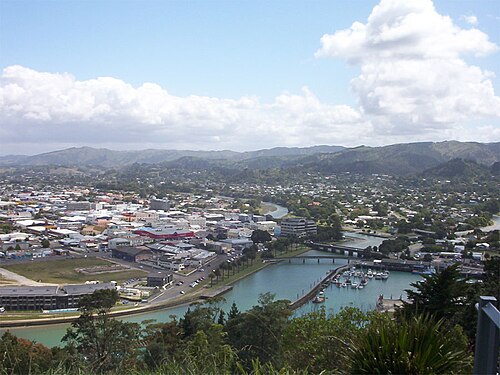
Gisborne is a coastal city located on the North Island of New Zealand, renowned for its stunning beaches, rich Māori culture, and agricultural significance. As the first city in the world to see the sunrise each day, due to its position on the eastern coast, Gisborne carries the nickname "The Sunrise City." Established as a settlement in the 19th century, it has grown to be the largest city in the Gisborne Region, with a population of approximately 37,000. The area is known for its lush landscapes, featuring rolling hills, vineyards, and orchards, which contribute to its reputation as an agricultural hub, particularly for wine and fruit production. The surrounding regions are characterized by fertile land, notably suitable for growing grapes, which has established Gisborne as a notable wine-producing area.
Culturally, Gisborne holds a special place in New Zealand's history, being the site where Captain James Cook first landed in 1769. This event marked significant interactions between European settlers and Māori tribes, particularly the Ngāti Oneone and Te Aitanga-a-Mahaki. The city celebrates its rich Māori heritage through various events and local traditions, including the annual Gisborne Māori Cultural Festival. Additionally, Gisborne is home to numerous historic sites and buildings, such as its War Memorial Theatre, which showcases local arts and performances. The region is also recognized for its outdoor recreational opportunities with coastal activities like surfing, fishing, and hiking in nearby parks, including Rere Falls and the Eastwoodhill Arboretum. Overall, Gisborne's unique blend of cultural significance, agricultural prosperity, and picturesque landscapes make it a distinctive location within New Zealand.
Facts about Gisborne
- Gisborne is known as the first city in the world to see the sunrise each day due to its location on the easternmost coast of New Zealand.
- The city is renowned for its wine production, particularly for its Chardonnay, and has been recognized for its vineyards and wine festivals.
- Gisborne has a rich Māori heritage and is the home of the Ngāti Porou iwi, one of the largest Māori tribes in New Zealand.
- The region has significant historical importance, as it was the first place where Captain James Cook landed in New Zealand in 1769.
- Gisborne is famous for its beautiful beaches, such as Wainui Beach, which is popular for surfing and is one of New Zealand's top surf spots.
- The city hosts the annual Rhythm and Vines music festival, which draws thousands of attendees and is renowned for its New Year's Eve celebrations.
- Gisborne is a hub for the growing agriculture and horticulture industries, producing a variety of fruits including kiwi and avocados.
- In Gisborne, you can find the largest number of public art murals in New Zealand, showcasing local artists and the region's history.
- The city is home to the East Coast Hawke’s Bay Rugby team, which has a strong local following and a storied history in New Zealand rugby.
- Gisborne is known for its historic buildings, including the Gisborne Court House, built in 1881, which is an important example of colonial architecture.