Giza, Egypt
- 4,367,343 people
- 13 places to visit
- 30.013, 31.2089
Places to Visit (13)
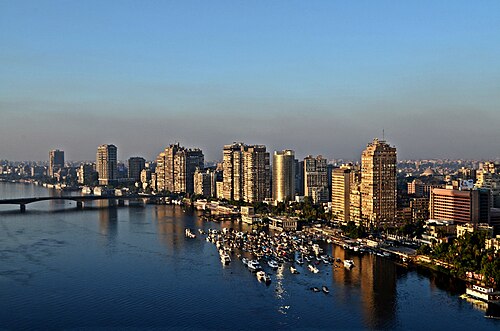
Giza, a city located on the west bank of the Nile River, is part of the Greater Cairo metropolitan area in Egypt and is most famous for its ancient monuments, particularly the Giza Plateau, which is home to the iconic pyramids and the Great Sphinx. As one of the oldest cities in the world, Giza has a rich history that dates back to ancient Egypt, where it served as a significant burial site for pharaohs. The most renowned structures include the Pyramid of Khufu, also known as the Great Pyramid, which is the largest of the three pyramids and one of the Seven Wonders of the Ancient World that still exist today. Constructed around 2580–2560 BCE, it originally stood at 146.6 meters tall and was built with an estimated 2.3 million blocks of stone. The two other major pyramids belong to Pharaohs Khafre and Menkaure, each showcasing distinct architectural styles and serving as monumental tombs.
The Great Sphinx of Giza, with its lion body and human head, adds to the area's historical significance. Believed to have been constructed during the reign of Pharaoh Khafre around 2500 BCE, the Sphinx is carved from a single mass of limestone and is noted for its immense size and enigmatic features. Throughout history, Giza has been a focal point for archaeological studies and tourism, drawing millions of visitors each year who come to explore its vast ancient heritage and learn about the societal and technological advancements of early Egyptian civilization. The city also serves as a center for modern commerce and education, with institutions that study archaeology and Egyptology, linking the past with contemporary culture.
In addition to its historical sites, Giza has undergone significant urban development over the years, making it a vibrant city that balances its ancient heritage with modernity. The local economy is heavily reliant on tourism, which is further bolstered by the nearby Cairo attractions. Giza's population is diverse, reflecting the mixture of old and new, and the city continues to play an essential role in Egypt's cultural and historical narrative. Its pyramids, Sphinx, and other archaeological sites remain symbols of ancient ingenuity and continue to captivate people from around the globe, ensuring Giza's place as a cornerstone of human history.
Facts about Giza
- Giza is home to the Great Pyramid of Giza, the only surviving wonder of the Seven Wonders of the Ancient World.
- The Sphinx, a monumental limestone statue with the body of a lion and the head of a pharaoh, is also located in Giza and is one of the largest and oldest monolithic statues in the world.
- The Giza Plateau, where the pyramids and the Sphinx are located, was designated a UNESCO World Heritage Site in 1979 for its historical significance.
- Giza served as the burial site for pharaohs of the Fourth Dynasty, including Pharaoh Khufu, who commissioned the Great Pyramid.
- The Great Pyramid was originally about 146.6 meters tall, making it the tallest man-made structure in the world for over 3,800 years.
- The city's proximity to Cairo makes it a major tourist destination, attracting millions of visitors each year who come to see its ancient wonders.
- Giza is also home to the Solar Boat Museum, which houses a reconstructed solar barque believed to have belonged to Pharaoh Khufu.
- The ancient city of Giza was once part of a larger necropolis that included several pyramids, tombs, and temples designed for the dead.
- Giza's pyramids were constructed using millions of limestone and granite blocks, some weighing up to 15 tons each, showcasing advanced ancient engineering techniques.
- In addition to its archaeological significance, Giza has a vibrant modern culture, with local markets and cuisine that reflect Egyptian traditions.