Gjakovë, Kosovo
- 94,158 people
- 3 places to visit
- 42.3844, 20.4285
Places to Visit (3)
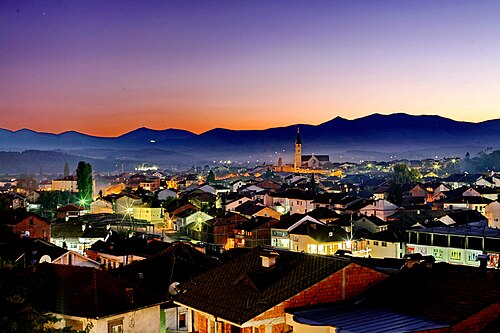
Gjakovë, a city located in western Kosovo, is known for its rich history and cultural significance. Situated near the border with Albania, it serves as the administrative center of the Gjakovë District. The population of Gjakovë is around 40,000 residents, with a diverse demographic predominantly comprising Albanians, alongside smaller communities of Bosniaks, Serbs, and others. The city is nestled in the basin of the River Gjakova, and its scenic landscape is enhanced by the surrounding mountains. Historically, Gjakovë has been a vital trade and cultural hub due to its strategic location and has a history that dates back to the medieval period, first mentioned in historical documents in the 12th century.
Gjakovë is particularly noted for its Ottoman-era architecture, with the iconic Grand Bazaar being a focal point of the city. The bazaar, known as "Çarshia e Madhe," showcases traditional crafts, shops, and a variety of restaurants offering local cuisine. Among other significant landmarks are the 18th-century Hadum Mosque and the Church of St. Mary, reflecting the city's religious and cultural diversity. Throughout the centuries, Gjakovë has played a crucial role in various socio-political movements, especially during the Balkan Wars, World War I, and more recently during the Kosovo War. The aftermath of the war saw significant reconstruction efforts, revitalizing the city’s infrastructure and community life. Today, Gjakovë is not only a testament to resilience but also a dynamic center for education, commerce, and tourism in Kosovo, attracting visitors interested in its historical narratives and vibrant cultural scene.
Facts about Gjakovë
- Gjakovë is home to the historic Hadum Mosque, built in the 15th century, which is one of the oldest mosques in Kosovo and a fine example of Ottoman architecture.
- The city is known for its vibrant bazaar, one of the oldest and largest in Kosovo, which showcases traditional crafts, local produce, and cultural heritage.
- Gjakovë played a significant role in the Kosovo War, serving as a center for humanitarian aid and relief efforts during the conflict in the late 1990s.
- The city hosts the annual Gjakova International Festival of Music, highlighting local and international artists, and celebrating diverse musical genres.
- Gjakovë is renowned for its traditional dishes, particularly 'qebapa' (grilled minced meat), which are a significant part of the local culinary culture.
- The city has a rich history of craftsmanship, especially in leatherwork and textiles, which reflects its diverse cultural influences over the centuries.
- Gjakovë was the birthplace of several notable figures, including the poet Ali Podrimja, who is celebrated for his contributions to Albanian literature.
- The local population celebrated the opening of the first modern university in the city, the University of Gjakova, which aims to enhance higher education in the region.
- Gjakovë features the beautiful 'Gjakova Stone Bridge,' an architectural landmark that adds to the city's scenic charm and historical value.
- The city is characterized by its unique blend of cultural influences, thanks to its location at the crossroads of Balkan trade routes, which has shaped its identity over the years.