Gladbeck, Germany
- 76,940 people
- 12 places to visit
- 51.5707, 6.9854
Places to Visit (12)
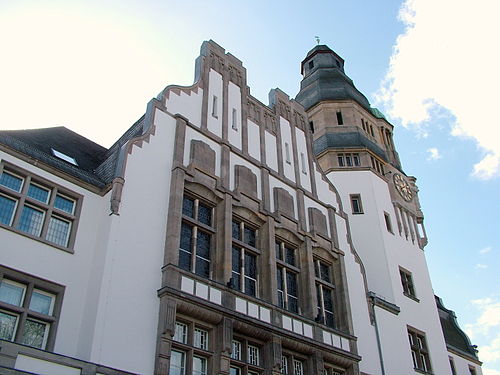
Gladbeck is a city located in North Rhine-Westphalia, Germany, within the district of Recklinghausen. It lies approximately 12 kilometers northwest of Essen and about 30 kilometers northwest of Düsseldorf. Historically part of the larger coal mining region, Gladbeck experienced significant growth during the industrial era, particularly in the 19th and early 20th centuries, when it became an important center for coal extraction and related industries. Today, Gladbeck has evolved, transitioning from its industrial roots to a more service-oriented economy, although remnants of its industrial past can still be observed in the region's infrastructure and architecture.
The city is characterized by a diverse population and a strong sense of community. As of recent estimates, Gladbeck has a population of around 30,000 residents, reflecting a mixture of cultures and backgrounds, which contributes to its vibrant social fabric. The city is well-connected, with public transportation options including buses and trains that link it to larger cities in the Ruhr area. Gladbeck boasts several parks and recreational areas, such as the municipal park, which provides green spaces for leisure activities and community gatherings.
Education is a significant focus in Gladbeck, with various schools and vocational institutions serving the needs of its residents. The city also emphasizes cultural development, hosting events and activities that celebrate local traditions and history. Furthermore, several historical sites can be found in and around Gladbeck, including remnants of its coal mining heritage, which are preserved as a part of the region's cultural landscape. Overall, Gladbeck presents a blend of historical significance and modern living, making it a unique city within the industrial heartland of Germany.
Facts about Gladbeck
- Gladbeck was known for its coal mining industry, with a rich history in coal extraction that influenced the town's development during the 19th and 20th centuries.
- The city's most infamous event is the 1980 Gladbeck hostage crisis, which captured national attention and highlighted issues related to media sensationalism and police response.
- Gladbeck hosts the annual 'Gladbecker Musiktage,' a music festival that showcases a wide range of musical genres and promotes local talent.
- The town is home to the St. Ludgerus Church, a notable architectural landmark built in the 19th century, known for its striking neo-Gothic style.
- Gladbeck has a unique shopping experience with its 'Gladbecker Innenstadt,' which includes pedestrian zones and a mix of local shops and cafes.
- The Gladbeck Zoological Garden, opened in 1951, is renowned for being one of the smaller yet charming zoos in North Rhine-Westphalia, focusing on regional wildlife.
- Gladbeck is located on the edge of the Ruhr area, making it a key node in the dense network of transportation and industry in Germany.
- The city is also known for its large number of parks and green spaces, such as the Nordpark and the Wilhelmsplatz, promoting community interaction and outdoor activities.
- Gladbeck's local culture is enriched by its many historical buildings, including remnants of its industrial past, giving it a unique character compared to other towns in the region.
- Gladbeck is part of the Metropole Ruhr, which is Europe's largest urban area, providing residents and visitors with access to a plethora of cultural, educational, and recreational opportunities.