Glauchau, Germany
- 26,473 people
- 12 places to visit
- 50.8188, 12.5452
Places to Visit (12)
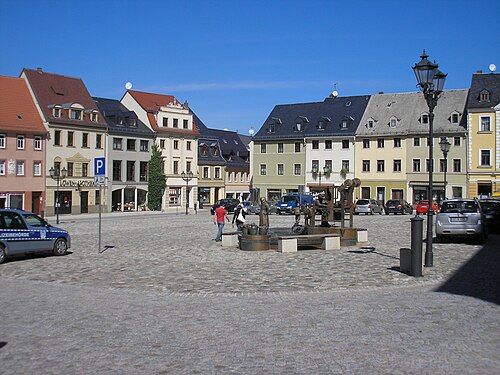
Glauchau is a town located in the state of Saxony, Germany, known for its rich history and vibrant cultural heritage. It lies approximately 25 kilometers northwest of Chemnitz and approximately 80 kilometers southwest of Leipzig, making it an integral part of the Central Saxony region. Historically, Glauchau was first mentioned in 1209, and over the centuries, it developed into a significant center for textile production during the Industrial Revolution. The town’s economic landscape has evolved considerably, transitioning from traditional industries to a more diversified economy that includes manufacturing and services, bolstered by its strategic location and efficient transportation networks.
Architecturally, Glauchau features a mix of historical and modern buildings. Notable landmarks include the 12th-century Glauchau Castle, which stands as a testament to the town's medieval past and now houses the town museum. The heritage of the town is further enriched by several well-preserved churches, museums, and parks that reflect its cultural assets. The Evangelische Stadtkirche St. Afra, a Gothic-style church, is particularly significant to residents and visitors alike. Additionally, Glauchau hosts various festivals celebrating local traditions, music, and arts, which contribute to the town's communal spirit. With a population of around 19,000, Glauchau balances small-town charm with modern amenities, offering a quality of life that appeals to residents and draws visitors interested in the area's historical significance and scenic landscapes.
Facts about Glauchau
- Glauchau is known for its rich textile history, having been a significant center for the textile industry during the 19th and early 20th centuries.
- The city is home to the Glauchau Castle, which dates back to the 13th century and showcases a blend of architectural styles, including Renaissance and Baroque.
- Glauchau hosts the annual Glauchauer Stadtfest, a vibrant festival that celebrates local culture, featuring music, food, and traditional crafts.
- The historic Old Market Square (Alter Markt) in Glauchau features charming half-timbered buildings and serves as a focal point for local events and gatherings.
- Glauchau is part of the Zwickau district and lies on the river Waldenburg, providing picturesque landscapes and outdoor recreational opportunities.
- The city has been recognized for its efforts in sustainable urban development, earning awards for environment-friendly initiatives.
- Glauchau played a role in the German reunification movements, with historical significance in the protests that swept across East Germany in the late 1980s.
- The Glauchauer Porcelain Museum exhibits a unique collection of porcelain from the region, highlighting the craftsmanship and artistry of local artisans.
- Glauchau is home to several notable figures, including the composer Johann Friedrich Fasch, who was born here in 1688.
- The city's transportation network is well-connected, with the Glauchau-Weißwasser railway station providing access to other major cities in Saxony, enhancing its role as a regional hub.