Głogów, Poland
- 67,317 people
- 12 places to visit
- 51.6636, 16.0847
Places to Visit (12)
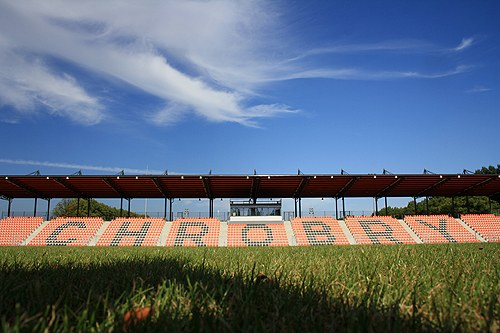
Głogów is a historical city located in southwestern Poland, in the Lower Silesian Voivodeship. Situated along the Oder River, it has a rich cultural heritage dating back to its founding in the early Middle Ages. Głogów was once the capital of the Polish principality of Silesia and has been a significant settlement throughout Polish history. Its strategic location along trade routes contributed to its thriving economy and role as a military stronghold. The city is home to many historical landmarks, including the impressive remains of the medieval castle, the Church of St. Nicholas, and remnants of the town's fortifications, which reflect its importance in the region.
Throughout its history, Głogów has undergone several changes in rule, influenced by the movements of various powers in Central Europe. It was part of the Piast dynasty's territories, later becoming a part of the Kingdom of Bohemia, and subsequently falling under the control of the Austrian Empire and Germany before returning to Poland after World War II. This tumultuous past has contributed to a diverse cultural landscape, evident in the architecture and local traditions. Głogów is also known for its vibrant community activities, including cultural festivals and local crafts, which celebrate both its storied past and contemporary Polish culture. Today, Głogów serves as a regional center for education and industry, with an expanding economy supported by both traditional and modern sectors, while maintaining its identity as a gateway to Lower Silesia’s rich heritage.
Facts about Głogów
- Głogów is one of Poland's oldest towns, with a history dating back over 1,000 years, making it a significant site for Polish history.
- The town is famously known for its medieval castle, the Głogów Castle, which played a crucial role in various historical events, including the struggles between Poland and the Teutonic Knights.
- Głogów was the site of the Battle of Głogów in 1109, where Polish forces, led by Bolesław Krzywousty, successfully defended the city against German invaders.
- The city is located at the confluence of the Odra and Kaczawa Rivers, offering scenic views and a strategic position that has influenced its development over centuries.
- Głogów has a unique double-tower church, the Church of St. John the Baptist, noted for its impressive Gothic architecture and historical significance as a pilgrimage site.
- The city is known for its rich archaeological heritage, with many significant finds from the Early Middle Ages, including remnants of ancient Slavic settlements.
- Every year, Głogów hosts the Głogowskie Dni Historii, a historical reenactment festival that celebrates the city's medieval past and engages the community in its cultural heritage.
- Głogów is home to one of the oldest schools in Poland, the Głogów Economic School, which was established in 1775 and has contributed to the education and professional development of generations.
- The city has a vibrant arts scene, featuring events such as the Głogów Music Festival, which showcases local and international talent, promoting the cultural life of the city.
- Głogów was also known for its glass production in the 19th century, contributing significantly to the local economy and craftsmanship.