Gloucester, United Kingdom
- 132,416 people
- 18 places to visit
- 51.8642, -2.2382
Places to Visit (18)
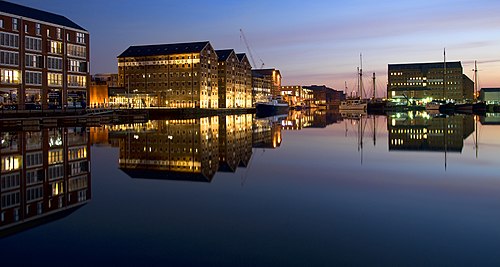
Gloucester is a city located in the southwest of England, within the county of Gloucestershire. It stands on the eastern bank of the River Severn, approximately 95 miles west of London and 45 miles northeast of Cardiff. The city has a rich history that dates back to Roman times when it was known as Glevum. Gloucester evolved as a significant trading hub and administrative center, establishing its importance through various historical events. One of the city's notable features is the Gloucester Cathedral, renowned for its stunning medieval architecture and beautiful stained glass windows. The cathedral, originally founded in 678 AD, became a prominent site for pilgrims and continues to be a focal point for visitors today.
The city has undergone considerable changes over the centuries, particularly during the Industrial Revolution when it transformed into a center for manufacturing and commerce. Gloucester's economy benefitted from its proximity to the River Severn, facilitating transportation and trade. The construction of the Gloucester and Sharpness Canal in the early 19th century further enhanced its maritime capabilities, allowing larger vessels to navigate inland. Modern Gloucester showcases a blend of historic and contemporary architecture, with well-preserved buildings alongside modern developments. The city hosts various cultural events and festivals throughout the year, reflecting its vibrant community. Gloucester's diverse population contributes to its lively atmosphere, with a rich mix of traditions and a strong sense of local identity. Today, Gloucester is recognized not only for its historical significance but also for its modern amenities, including shopping centers, schools, and healthcare facilities, making it an appealing place to live and work.
Facts about Gloucester
- Gloucester is home to the historic Gloucester Cathedral, which features one of the longest medieval stained glass windows in the world and has been used as a filming location for the Harry Potter films.
- The city played a significant role in the English Civil War, particularly the Siege of Gloucester in 1643, which saw the city withstand a 13-week siege by Royalist forces.
- Gloucester was granted city status in 1541, but it has been a settlement since Roman times, known then as Glevum, and has remnants of Roman architecture, including the remains of a Roman bastion.
- The Gloucester Docks, which were established in the 1820s, are among the finest examples of Victorian architecture in the country and have been transformed into a vibrant area of shops, restaurants, and museums.
- Every year, Gloucester hosts the 'International Festival of Gloucester', a celebration of arts and culture that includes performances, food stalls, and various other events attracting visitors from around the world.
- Gloucester is known for its unique contribution to the UK food scene, particularly with the production of Double Gloucester cheese, a traditional cheese that has protected designation of origin status.
- The city is also famous for the Gloucester Old Spot pig, a rare breed of pig that is well-regarded for its quality of meat and has been bred in the area for centuries.
- Gloucester boasts the oldest newspaper in the country, the 'Gloucester Citizen', which began publication in 1716.
- The city is the birthplace of several notable figures, including King Edward II and the author of the classic novel 'The Night Manager', John le Carré, who attended school in the city.
- Gloucester's location on the River Severn has made it an important port city historically, facilitating trade and transport since ancient times, and it continues to be influential in maritime activities.