Goiânia, Brazil
- 1,536,097 people
- 15 places to visit
- -16.6869, -49.2648
Places to Visit (15)
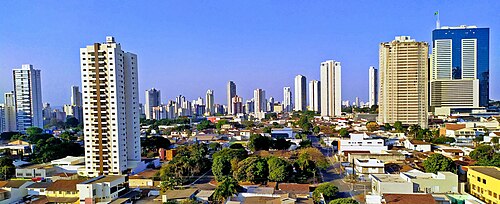
Goiânia is the capital of the Brazilian state of Goiás and is located in the central part of the country. Founded on October 24, 1933, the city was designed as a planned urban center to replace the former capital, Goiás Velho. The city’s architecture reflects Art Deco influences, which were popular during its early development. Goiânia has a population of approximately 1.5 million residents, making it one of the largest cities in Brazil. The city is strategically positioned between the important economic centers of Brasília and São Paulo, facilitating trade and attracting businesses.
Goiânia boasts a mix of cultural, economic, and environmental features that contribute to its appeal. The city is known for its green spaces, with over 100 parks and squares, including the well-known Flamboyant Park and the Buriti Park. This abundance of greenery has earned it the nickname "City of Parks." Economically, Goiânia is a significant hub for agriculture and livestock, contributing to the broader agribusiness sector in Brazil. The city’s cultural scene includes various music festivals, theaters, and art exhibitions, reflecting the rich cultural heritage of the Goiás region. Additionally, Goiânia is famous for its cuisine, particularly typical dishes like "pequi" rice and "pamonha," attracting food enthusiasts.
As an educational center, Goiânia is home to several universities and institutions that provide a range of academic programs, fostering a young and diverse population. Despite urban growth and development, the city has managed to maintain a balance between modernity and tradition, celebrating its historical roots and cultural identity. With its vibrant economy, rich culture, and emphasis on green spaces, Goiânia continues to evolve, offering a unique blend of opportunities and experiences for residents and visitors alike.
Facts about Goiânia
- Goiânia was founded on October 24, 1933, as a planned city, with a focus on modernist architecture and urban design.
- The city is known for its green spaces, being home to over 80 parks and the largest urban forest in Brazil, the Buriti Park.
- Goiânia has a unique Art Deco architectural style, which can be seen in many of its public buildings and residential areas, setting it apart from other Brazilian cities.
- The city is famous for hosting the annual 'Festa do Peão de Goiás,' which is one of the largest rodeo festivals in Brazil, attracting thousands of visitors each year.
- Goiânia is recognized for its vibrant arts scene, with institutions like the Goiânia Theater and the Museum of Art of Goiânia (MAG), showcasing local and national artists.
- Goiânia is considered the birthplace of Brazilian popular music genres like Sertanejo, giving it a significant cultural identity in the music scene.
- The city is strategically located in Central Brazil, making it a key logistics hub for the agricultural industry and a center for agribusiness.
- Goiânia has a diverse economy, significant in sectors like retail, healthcare, and education, contributing to its rapid urban development and growth.
- The Goiânias have a reputation for their culinary scene, particularly known for dishes like 'pequi' and 'cilantro rice,' which are traditional to the Goias state region.
- Goiânia is home to several institutions of higher education, including the Federal University of Goiás (UFG), which contributes to the city's reputation as an educational center.