Goma, DR Congo
- 432,587 people
- 8 places to visit
- -1.6585, 29.2205
Places to Visit (8)
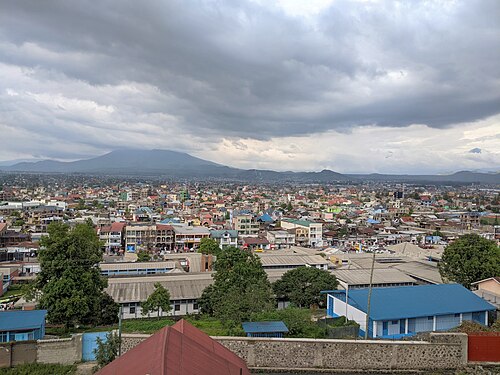
Goma is a vibrant city located in the eastern region of the Democratic Republic of the Congo, serving as the capital of the North Kivu province. Nestled on the northern shores of Lake Kivu, it shares a border with Rwanda, offering a strategic location for trade and social exchange between the two nations. Goma has a population of approximately 700,000 inhabitants, making it one of the largest cities in the region. The city has a rich cultural landscape, influenced by a mixture of ethnic groups, primarily the Bantu. Goma’s economy is predominantly driven by trade, agriculture, and services, with many residents engaging in subsistence farming or small businesses.
The city has faced significant challenges due to its proximity to the volcanic Mount Nyiragongo, which is known for its frequent eruptions. The most devastating eruption occurred in 2002, when lava flows destroyed a large portion of the city and displaced tens of thousands of residents. This geological instability has influenced urban planning and safety measures in Goma, which continues to recover from past disasters while adapting to ongoing environmental risks. Moreover, the city is a center of humanitarian activity, as it has been a refuge for those fleeing violence and conflict from neighboring regions, particularly due to the instability caused by armed groups in the area. International organizations provide essential services in healthcare, education, and infrastructure development to support the growing population and help stabilize the region.
Despite these challenges, Goma is characterized by its resilience and a strong sense of community. The city's vibrant markets, busy streets, and cultural events reflect the local population's dynamism and creativity. Goma is also a gateway for tourism, as it provides access to the stunning natural landscapes of the Virunga National Park, which is a UNESCO World Heritage site, known for its rich biodiversity and the endangered mountain gorillas that inhabit the area. The combination of natural beauty, cultural richness, and the ongoing efforts to improve living conditions makes Goma a unique city, embodying both the struggles and the hopes of its people. As Goma continues to develop, it stands as a testament to perseverance amid adversity, showcasing the potential for growth and revitalization in the heart of Africa.
Facts about Goma
- Goma is located on the northern shore of Lake Kivu and directly borders Rwanda, giving it a unique geopolitical significance.
- The city was heavily affected by the volcanic eruption of Mount Nyiragongo in 2002, which destroyed a significant portion of Goma and led to the displacement of over 400,000 people.
- Goma serves as a crucial hub for humanitarian aid and international organizations operating in the eastern Democratic Republic of the Congo due to ongoing conflicts and humanitarian crises.
- The city is home to the famous Virunga National Park, a UNESCO World Heritage Site, which is known for its biodiversity and mountain gorillas.
- Goma's vibrant local market scene reflects a unique blend of Congolese and Rwandan cultures, influenced by its proximity to Rwanda.
- The city is a key gateway for tourists to access the natural beauty of eastern DRC, including volcano treks and Lake Kivu's scenic views.
- Goma hosts the annual "Goma International Film Festival," highlighting local filmmakers and promoting arts in the region.
- The Goma airport is one of the only major air transport hubs in eastern DRC, linking the area with other major cities and international destinations.
- Goma's population has grown rapidly due to migration from surrounding conflict areas, making it one of the fastest-growing cities in the DRC.
- The local economy in Goma is supported by the mining industry, particularly with access to valuable minerals such as coltan, which is used in electronics.