Gombe, Nigeria
- 560,000 people
- 8 places to visit
- 10.2791, 11.1731
Places to Visit (8)
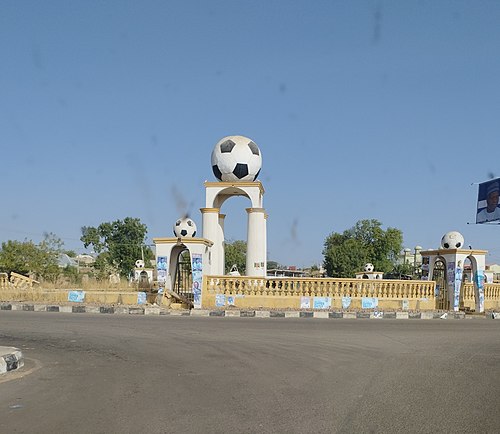
Gombe is a city located in the northeastern region of Nigeria and serves as the capital of Gombe State. Established in 1996 when Gombe State was created from part of the old Bauchi State, it has emerged as a significant urban center in the area. The city lies strategically along major transportation routes, which enhances its role as an economic hub. Gombe's population, which is estimated to be over 300,000 residents, is a mix of various ethnic groups, predominantly including the Fulani, Tangale, and Waja. The city is known for its vibrant culture and traditions, which are celebrated through various festivals and events throughout the year.
Economically, Gombe has a diverse base largely revolving around agriculture, with the fertile lands around the region supporting the cultivation of crops such as maize, millet, and groundnuts. Additionally, livestock farming plays a crucial role in the local economy, with cattle, sheep, and goats being raised extensively. The city is also developing into a commercial center, with local markets serving as a backbone for trade and commerce. Gombe has seen infrastructural developments, including improvements in roads, schools, and health facilities, contributing to the overall growth and advancement of the city. As it continues to grow, Gombe retains its significance in regional politics and culture, aiming to balance modern development with rich traditional practices.
Facts about Gombe
- Gombe is the capital of Gombe State in northeastern Nigeria, established in 1996 when the state was created from parts of Bauchi State.
- The city is noted for its historical significance, particularly as a trade center known for the commerce of kola nuts, which played a vital role in the economy of the region.
- Gombe has a unique cultural heritage, strongly influenced by the Fulani ethnic group, which is reflected in its festivals, attire, and traditional practices.
- The Gombe State University, established in 2004, is one of the key educational institutions in northeastern Nigeria, contributing to higher education and research in the region.
- Gombe is home to the Gombe National Park, a protected area known for its diverse wildlife, including several species of primates, making it a significant spot for biodiversity conservation.
- The city hosts the annual Gombe International Trade Fair, which fosters trade and commerce among local and international businesses, promoting economic growth in the region.
- Gombe's geographical location gives it a unique climate, being relatively temperate compared to other regions in Nigeria, which influences agriculture in the area.
- The city has a vibrant market scene, with the famous Gombe Central Market being a hub for local produce and handmade goods, showcasing the entrepreneurship of its residents.
- Gombe is famous for its traditional arts and crafts, including the production of handcrafted textiles and pottery, which are significant to the local culture and economy.
- The Gombe State Government has initiated various youth empowerment programs, reflecting the city's commitment to addressing youth unemployment and promoting entrepreneurship.