Gondomar, Portugal
- 27,691 people
- 8 places to visit
- 41.1396, -8.5291
Places to Visit (8)
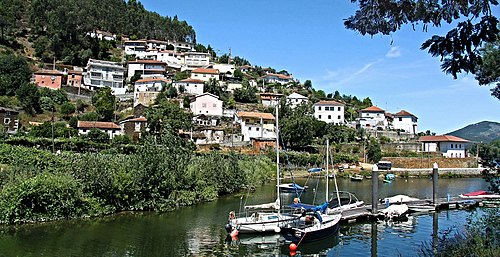
Gondomar is a municipality located in the northern region of Portugal, specifically within the district of Porto. It is part of the Greater Porto metropolitan area and lies along the left bank of the Douro River. The municipality is bordered by several notable cities, including Porto to the west and Paredes to the east, making it a vital connection point in the region. With a population of approximately 60,000 residents spread across its several parishes, Gondomar is known for its scenic landscapes, rich history, and local culture. The area is characterized by an abundance of natural beauty, including picturesque hills and diverse vegetation.
Historically, Gondomar has roots that date back to Roman times, and the region has seen various developments through the centuries, particularly during the Middle Ages. One of Gondomar's distinctive cultural features is its artisan production of filigree, a delicate form of jewelry that involves intricate metalwork often crafted from gold or silver. The town is also home to several historical landmarks, including churches and manor houses that reflect its past. Among these, the Church of São Miguel, with its Baroque architecture, stands out as an important symbol of local heritage. Gondomar hosts various cultural festivals throughout the year, promoting community engagement and showcasing traditional music, dance, and cuisine, thus enhancing its vibrant local identity.
In addition to its cultural significance, Gondomar has seen substantial urban development in recent years, making it an attractive location for families and commuters working in nearby Porto. The municipality combines residential areas with industrial zones, contributing to economic growth while maintaining a balance between urbanization and green spaces. The local government has focused on enhancing infrastructure, improving public services, and promoting sustainable development to accommodate the increasing population. As such, Gondomar represents a blend of historical charm and modern convenience, appealing to both visitors and residents alike.
Facts about Gondomar
- Gondomar is known for its rich tradition of filigree jewelry, which is a unique craft that has been practiced in the region for centuries.
- The town is home to the 16th-century Church of São Miguel, a notable example of Manueline architecture, which showcases intricate stonework.
- Gondomar is located near the Douro River, providing picturesque landscapes and opportunities for outdoor activities like river walks and cycling along the waterfront.
- The annual Festa de São Miguel, celebrated in September, includes vibrant processions and traditional music, highlighting local culture and heritage.
- Unlike many other towns in Portugal, Gondomar has a significant urban growth while maintaining its rural charm, offering a blend of modern and traditional lifestyles.
- The town has a strong focus on community engagement and has been recognized for its various cultural and social initiatives aimed at enhancing local life.
- Gondomar is known for its gastronomical offerings, particularly dishes made with local fish and seafood, differentiating it from inland Portuguese towns.
- The Parque das Serras do Porto, located within Gondomar, provides access to breathtaking nature trails and scenic viewpoints that attract outdoor enthusiasts.
- The historic significance of the nearby Roman ruins in the region, including those found in the Parish of S. Pedro da Cova, adds a unique archaeological aspect to Gondomar’s appeal.
- Gondomar has been involved in various conservation efforts, striving to preserve its historical sites and promote sustainable tourism in contrast to more commercialized cities.