Gorgān, Iran
- 244,937 people
- 4 places to visit
- 36.8418, 54.4334
Places to Visit (4)
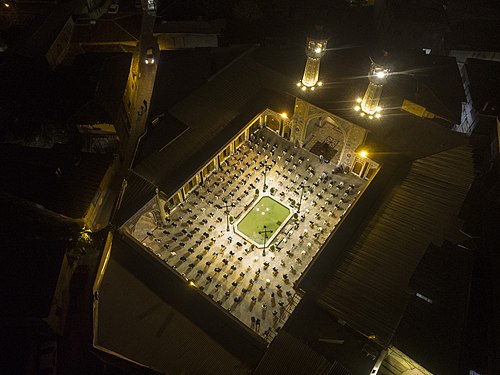
Gorgān, also spelled Gorgan, is the capital city of Golestan Province in northern Iran, situated in a region characterized by its lush landscapes and mountainous terrain. The city lies at the foot of the Alborz Mountains, near the Caspian Sea, and has a rich history that dates back to ancient times, known as "Hyrcania" in the past. Gorgān has been a significant urban center since its founding, with archaeological evidence indicating its prominence during the Parthian Empire and later as a key location during the Islamic Golden Age. The city is known for its historical remnants, including ancient walls and fortifications, which showcase its strategic importance throughout history.
Modern Gorgān has a population of approximately 250,000 residents and serves as a cultural and economic hub for the region. The economy of Gorgān is primarily based on agriculture, particularly the cultivation of rice, fruits, and vegetables, leveraging the fertile lands surrounding the city. Additionally, the city is known for its industries, including food processing and textiles. Gorgān is also a gateway to various natural attractions, including forests, rivers, and the nearby Golestan National Park, which is a UNESCO Biosphere Reserve, offering numerous opportunities for outdoor activities and ecotourism. The local climate, characterized by mild summers and cool winters, further enhances its appeal as a destination for both residents and tourists.
Culturally, Gorgān is diverse, showcasing a mix of traditions and ethnicities, including Turkic and Persian influences. The city hosts various festivals and events throughout the year that celebrate its rich heritage and community spirit. Notable landmarks in Gorgān include the ancient Gorgān Wall, which served as a defensive structure and highlights the city's historical significance, as well as a number of mosques and bazaars that reflect its vibrant cultural life. As Gorgān continues to modernize, it maintains a balance between development and preservation of its historical identity, making it a unique city that attracts both history enthusiasts and nature lovers.
Facts about Gorgān
- Gorgān, historically known as 'Hyrcania', was once a significant region of the ancient Persian Empire and is linked to legends of mythical creatures and important historical events.
- The city is famous for its large number of silk-related industries, reflecting its historical significance in the Silk Road trade between East and West.
- Gorgān is home to the ancient city of Jorjan, which is known for its ruins and is considered a significant archaeological site reflecting the region's rich history.
- The nearby Gorgān National Park, a UNESCO biosphere reserve, is known for its diverse flora and fauna, including the rare Caspian tiger that once roamed the region.
- Gorgān's architecture features unique brickwork and design, particularly the historic mosques and buildings that display a blend of Islamic and Persian architectural styles.
- The city hosts the annual Gorgān Carpet Festival, celebrating the region’s traditional rug-making techniques which date back centuries.
- Gorgān is situated in a part of Iran rich in lush green landscapes and is known for its proximity to the Caspian Sea, setting it apart from more arid regions of the country.
- The region's cuisine, particularly their specialties like 'Beryani' and a variety of rice dishes, offers unique flavors influenced by the city’s historical interactions with various cultures.
- Gorgān is noted for its producing high-quality saffron, which is considered one of the finest in Iran and contributes significantly to the local economy.
- The Gorgan River, which runs through the city, is an essential lifeline for agriculture and has played a crucial role in the development of the surrounding areas.