Gorlice, Poland
- 28,609 people
- 8 places to visit
- 49.6546, 21.1596
Places to Visit (8)
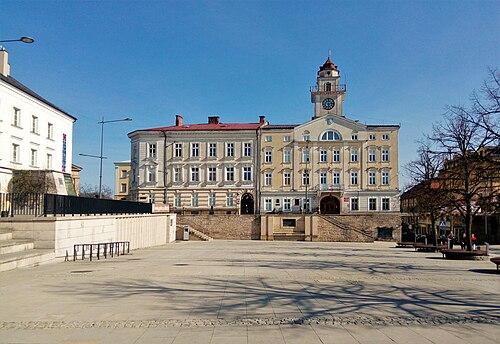
Gorlice is a town located in southeastern Poland, nestled in the Lesser Poland Voivodeship and serving as the administrative seat of Gorlice County. Founded in the 12th century, Gorlice has a rich history that reflects its strategic importance due to its position along trade routes. The town is known for its picturesque setting amid the Carpathian Mountains and the scenic Ropa River, which enhances its charm and appeals to tourists and nature enthusiasts alike. With a population of approximately 28,000 residents, Gorlice combines a vibrant community atmosphere with the historical significance of its past.
The city offers cultural and architectural landmarks that showcase its historical narrative, including the Gothic-style church of St. Mary Magdalene, which dates back to the 14th century. Gorlice also gained prominence during World War I, particularly noted for the Gorlice-Tarnów Offensive, a significant battle between Austro-Hungarian and Russian forces. The impact of the war is memorialized in various sites, including monuments and cemeteries that honor the fallen. Moreover, Gorlice is widely recognized as the birthplace of the oil industry, with the first commercial oil well drilled in the area in the 19th century, marking the town as a pivotal site in the history of energy production.
Today, Gorlice continues to thrive as a center for industry and agriculture, while also promoting its tourism potential. The town features numerous parks, hiking trails, and natural reserves that attract both local and international visitors. Events such as the Gorlicki Theatre Festival showcase the town’s commitment to the arts, fostering a sense of community and cultural pride. As Gorlice evolves, it maintains a balance between honoring its historical roots and embracing modern development, making it an intriguing destination for those exploring Poland's diverse heritage.
Facts about Gorlice
- Gorlice is famously known for the Battle of Gorlice, a significant World War I battle in 1915 that marked a turning point in the war on the Eastern Front.
- The town is home to a number of historical wooden churches, which are part of the UNESCO World Heritage Site known as the 'Wooden Churches of Southern Lesser Poland.'
- Gorlice is situated in the Beskid Niski mountain range, making it a popular destination for nature lovers and outdoor activities such as hiking and skiing.
- The city has a rich cultural heritage, reflected in its annual Gorlice Cultural Festival, which celebrates local traditions, music, and arts.
- Gorlice was granted town rights in 1363, making it one of the older towns in Poland with a rich history dating back to the Middle Ages.
- The city's architecture features a blend of various styles, including Gothic, Renaissance, and Baroque, particularly visible in the town hall and numerous churches.
- Gorlice is known for its oil industry and is considered the cradle of the petroleum industry, having hosted the first oil well in the world drilled in 1854.
- The Gorlice region is also famous for its wine production, and the local climate is conducive to grape growing, which contributes to the area's viticultural activities.
- Gorlice was once part of the Austro-Hungarian Empire, and this history is reflected in some of its preserved buildings and cultural influences.
- The city's proximity to the Magura National Park offers residents and visitors a unique opportunity to explore diverse flora and fauna, along with stunning landscapes.