Gorna Oryahovitsa, Bulgaria
- 32,792 people
- 6 places to visit
- 43.1208, 25.6897
Places to Visit (6)
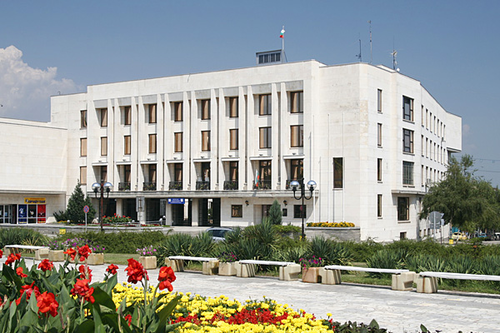
Gorna Oryahovitsa is a prominent city located in central northern Bulgaria, situated in the Veliko Tarnovo Province. It lies near the Yantra River, approximately 10 kilometers from the historic town of Veliko Tarnovo, which was the capital of the Second Bulgarian Empire. With a population of around 30,000 residents, Gorna Oryahovitsa serves as an important economic and cultural hub in the region. The city's strategic location makes it a vital transportation junction, as it is positioned along key rail and road networks connecting different parts of Bulgaria and beyond.
Historically, Gorna Oryahovitsa has roots dating back to antiquity, evidenced by nearby archaeological sites. The city itself developed significantly during the 20th century with the establishment of various industries, including textiles, food processing, and machinery, which contributed to its economic growth. Notably, Gorna Oryahovitsa is home to the "St. St. Peter and Paul" Church, a key cultural landmark known for its striking architecture and historical significance. The city also boasts a rich cultural life, featuring music and arts festivals, alongside opportunities for recreation and leisure in parks and natural surroundings. The close proximity to Veliko Tarnovo enhances Gorna Oryahovitsa's appeal, allowing residents and visitors to explore the historical treasures of the region while enjoying the amenities of a thriving city.
In recent years, Gorna Oryahovitsa has focused on modernizing its infrastructure and improving the quality of life for its inhabitants. Efforts have been made to foster environmental sustainability, with projects aimed at enhancing green spaces and promoting eco-friendly practices. The city has also started to attract investments in tourism, capitalizing on its historical significance and nearby attractions. Gorna Oryahovitsa thus represents a blend of tradition and progress, reflecting Bulgaria's evolving identity while maintaining its cultural heritage.
Facts about Gorna Oryahovitsa
- Gorna Oryahovitsa is known as a significant transportation hub in Bulgaria, with its location providing easy access to major routes connecting Varna and Sofia.
- This city has a rich history dating back to Roman times, with archaeological evidence indicating it was an important settlement during that era.
- Gorna Oryahovitsa is home to the 'St. Marina' Church, which is notable for its unique architecture and is a significant religious site in the region.
- The city is part of the Veliko Tarnovo Province, which is known for its historical importance as it was the capital of the Second Bulgarian Empire.
- Every September, Gorna Oryahovitsa hosts the 'Festival of the Vineyard,' celebrating local winemaking traditions and cultural heritage.
- Gorna Oryahovitsa is recognized for its vibrant cultural scene, including art galleries and local theater performances that showcase Bulgarian arts.
- The city has a significant railway station, which serves as an important junction for train travel across Bulgaria, making it a strategic point for logistics and transportation.
- Gorna Oryahovitsa played a role in the Bulgarian National Revival and has several monuments and buildings that reflect this period.
- The local economy includes industries such as textiles and food production, with historical roots in agriculture and crafts.
- The city has a local museum dedicated to history and ethnography, offering insight into the cultural and historical developments of the area.