Goshogawara, Japan
- 53,576 people
- 12 places to visit
- 40.8077, 140.4461
Places to Visit (12)
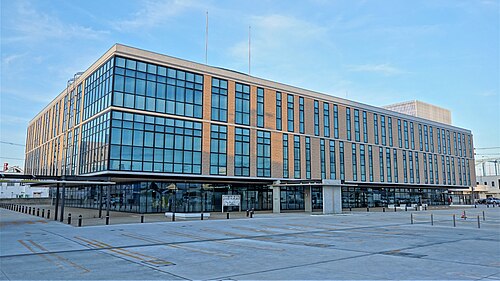
Goshogawara is a city located in Aomori Prefecture, Japan, known for its rich cultural heritage and unique traditions. Nestled in the northern part of Honshu, the main island of Japan, Goshogawara has a population of approximately 50,000 residents. The city is characterized by its lush natural surroundings and is a gateway to various scenic attractions in the region, such as the Tsugaru Peninsula and the stunning mountains that provide opportunities for outdoor activities, including hiking and skiing.
Historically, Goshogawara has deep roots in agriculture, benefiting from the fertile soil of the Tsugaru region. The economy remains largely based on agriculture, with rice and apple cultivation being significant contributors. The city is also famous for its traditional Nebuta Festival, held every summer, which features large, colorful floats illuminated with lanterns and accompanied by lively music and dance. This event attracts visitors from all over Japan and showcases the city's commitment to preserving its unique cultural traditions. Additionally, Goshogawara is noted for its historical sites, including the old samurai residences and temples that reflect the region's rich past.
Transportation in Goshogawara is convenient, with access to major railway lines and highways connecting it to larger cities in the prefecture, such as Aomori and Hirosaki. The city's infrastructure supports a mix of urban and rural lifestyles, making it a pleasant place to live and visit. Goshogawara also emphasizes community and environmental sustainability, with various initiatives aimed at promoting local agriculture, preserving natural resources, and fostering cultural awareness. Its blend of tradition and modernity makes Goshogawara a unique and appealing destination for those exploring Aomori Prefecture.
Facts about Goshogawara
- Goshogawara is famous for its unique culture of 'Neputa,' which involves vibrant, large floats and is celebrated annually in August during the Goshogawara Neputa Festival, distinct from other regional festivals in Japan.
- The city is home to the historic Goshogawara Kabuki Theatre, one of the few remaining theaters where traditional Kabuki performances are held, showcasing this traditional Japanese performing art.
- Goshogawara is known for its production of Aomori apples, benefiting from the region's fertile soil and favorable climate, making it a significant player in Japan's apple industry.
- The city has a rich history linked to the Oirase River, which has influenced its development and served as an important transport route in the past, distinguishing it from more urbanized areas in Japan.
- Goshogawara is recognized for its unique architectural style, particularly in traditional wooden houses that reflect the city's history and lifestyle, setting it apart from modern urban developments in Japan.
- The city is located near the historical site of the Nanbu clan's capital, contributing to its cultural richness and offering a distinct historical context compared to other cities in Japan.
- Goshogawara is renowned for its handcrafted 'Neputa' lanterns, which are intricately designed and play a key role in the local festival, distinguishing the city's local craftsmanship from other regions.
- The Goshogawara Art Museum showcases local art and history, making it a center for cultural appreciation in the region, unlike many cities that focus on contemporary or international art.
- The city is fewer than 50 kilometers from Mount Iwaki, known as the 'Fujisan of the North,' providing natural beauty and outdoor recreational opportunities not commonly found in urban centers.
- Goshogawara has been a hub for the preservation of traditional Japanese crafts, such as lacquerware and textile arts, fostering a unique cultural identity that is distinct from many modern and industrialized cities across Japan.