Goslar, Germany
- 43,560 people
- 17 places to visit
- 51.906, 10.429
Places to Visit (17)
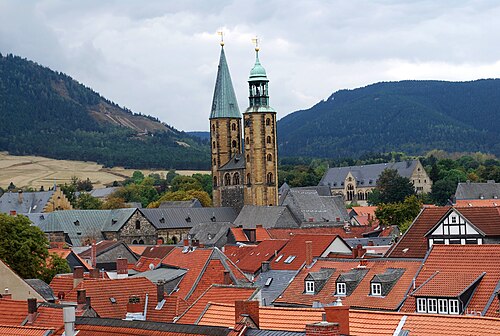
Goslar is a historic city located in Lower Saxony, Germany, nestled at the foot of the Harz Mountains. It is renowned for its rich mining history and medieval architecture, which led to its designation as a UNESCO World Heritage site in 1992. The city flourished during the Middle Ages, primarily due to the nearby Rammelsberg silver mine, one of the oldest and largest mining operations in Europe, which contributed significantly to the wealth and development of the region. This prosperity is reflected in the city's architecture, visible in its well-preserved buildings, including timber-framed houses and the notable Market Church, or Marktkirche, which features elements from the 14th century.
Goslar's Old Town is characterized by cobblestone streets and charming squares, such as the Markt Square, where colorful facades line the area, creating a picturesque atmosphere that attracts numerous visitors. The city also embraces cultural festivals and events, celebrating its heritage and industrial history. In addition to mining, Goslar has a strong connection to the Hanseatic League, which facilitated trade and economic development in medieval Europe. The city's historical significance is further underscored by its role as an imperial residence, serving as a meeting place for German kings and emperors. Today, Goslar combines its historical charm with modern amenities, offering a variety of shops, restaurants, and recreational opportunities that appeal to both locals and tourists alike. The surrounding Harz National Park provides outdoor activities, such as hiking and skiing, making Goslar not just a center of history, but also a gateway to nature and adventure.
Facts about Goslar
- Goslar is home to the UNESCO World Heritage site known as the Goslar Old Town, which features well-preserved medieval architecture and historic buildings.
- The city played a pivotal role as a mining center during the Middle Ages, particularly for silver mining in the Rammelsberg mines, which are also a UNESCO World Heritage site.
- Goslar was the site of the Imperial Diet in the 12th century, where emperors would gather, making it an important political center in medieval Germany.
- The Royal Palace of Goslar, or Kaiserpfalz, is a significant historical site that served as a residence for German emperors during the Holy Roman Empire.
- The annual Goslar Christmas Market is one of the oldest in Germany, attracting visitors with its festive ambiance and traditional crafts.
- Goslar is located at the foothills of the Harz Mountains, providing easy access to hiking trails and winter sports, distinguishing it as a hub for outdoor activities.
- The city hosts the International Goslar Museum, which showcases the city’s history and its connection to the miners and craftsmen of the region.
- Goslar has a unique blend of Romanesque and Gothic architectural styles, particularly visible in its numerous churches, such as St. Jacob's Church.
- The city has maintained a tradition of craftsmanship for centuries, particularly noted for its ornate woodcraft, known as Goslarer Schnitzkunst.
- Goslar is famous for its 'Goslarer Glaskunst' (Goslar glass art), which includes beautiful hand-blown glass products that have gained popularity regionally and nationally.