Goussainville, France
- 30,047 people
- 11 places to visit
- 49.0305, 2.4712
Places to Visit (11)
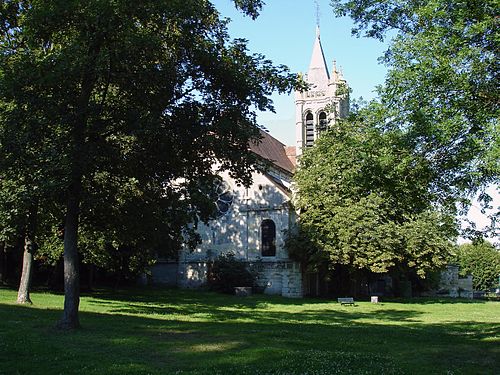
Goussainville is a suburban city located in the Val-d'Oise department of the Île-de-France region in northern France. Situated approximately 20 kilometers northeast of central Paris, Goussainville is a part of the larger metropolitan area and is well-connected to the capital via the RER B commuter train line, making it an accessible residence for those working in Paris. The city spans an area of about 7 square kilometers and had a population of around 12,000 inhabitants as of the latest census, reflecting a diverse demographic influenced by various waves of immigration.
Historically, Goussainville has roots that trace back to the medieval period, with its name deriving from the Latin "Gossuin Villa," which suggests a villa belonging to a person named Gossuin. The city evolved over the centuries, and its economy historically centered around agriculture and local trades. In the 20th century, as Paris expanded, Goussainville underwent significant suburban development and urbanization, leading to a rise in residential neighborhoods, schools, and amenities that cater to a growing population. While the city experienced challenges associated with urban sprawl and economic shifts, it has worked towards enhancing its local services and public spaces. Goussainville also features several parks and green spaces, contributing to the quality of life for its residents.
Today, Goussainville is characterized by a mix of post-war housing developments and older architecture, including notable structures like the Church of Saint-Jean-Baptiste, which showcases elements of both gothic and contemporary styles. The city has sought to foster community engagement and local culture through various initiatives, including cultural events and activities that highlight its historical heritage. Positioned as a gateway to Paris, Goussainville attracts a blend of families, young professionals, and retirees, balancing a lively suburban atmosphere with the convenience of urban proximity. As it continues to grow and evolve, Goussainville remains committed to improving the living experience for its residents while preserving its unique identity.
Facts about Goussainville
- Goussainville is home to the abandoned, yet historically significant, Goussainville-Vieux Pays, which offers a glimpse into early 20th-century French rural life.
- The town is known for its unique architecture, particularly the 'Les Templiers' neighborhood, which features distinct post-war housing designs.
- Goussainville's proximity to Charles de Gaulle Airport, one of the busiest airports in Europe, gives it a distinctive role in international travel and commerce.
- Goussainville is recognized for its diverse cultural heritage, reflected in the variety of festivals and community events that celebrate different ethnic traditions.
- The town features the impressive St. Eloi Church, which dates back to the 12th century and exemplifies Gothic architectural elements.
- Goussainville is part of the Val-d'Oise department, which is known for its beautiful natural parks, like the Parc des Coteaux d'Evenne, a contrast to urban life.
- The town has influenced French cinema by being a filming location for several movies, highlighting its unique scenery and landscapes.
- Goussainville has a rich agricultural history, and local markets often showcase regional products, from fresh produce to artisanal goods.
- The community in Goussainville actively engages in urban renewal projects, promoting sustainability and environmental consciousness, setting an example for other towns.
- Goussainville is notable for its commitment to multiculturalism, hosting various events that promote understanding and integration among different cultural groups.