Governador Valadares, Brazil
- 250,878 people
- 9 places to visit
- -18.8558, -41.9572
Places to Visit (9)
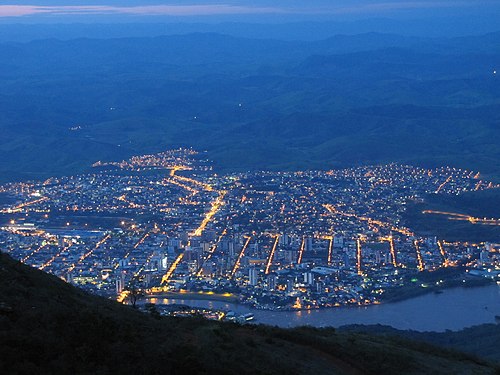
Governador Valadares is a municipality in the state of Minas Gerais, Brazil, situated around 315 kilometers east of the state capital, Belo Horizonte. Established in 1938 and named after the influential Brazilian politician João Teófilo Valadares, it has grown into a vibrant city known for its rich culture and economic activities. Governador Valadares is strategically positioned near the Doce River, which has historically facilitated trade, agriculture, and transport. The city's location at the meeting point of several highways enhances its connectivity to other major cities in Brazil, making it an important commercial hub in the region.
The local economy is primarily driven by agriculture, commerce, and services, with significant contributions from the production of minerals and livestock. Governador Valadares is particularly notable for being a center for the cultivation of coffee and fruits, as the region's climate and soil are conducive to these crops. The presence of various industries has also fostered economic diversification, and recent investments have sought to enhance infrastructure and technological development. Additionally, the city is recognized for its strong educational institutions and a growing number of businesses, contributing to a dynamic labor force.
Governador Valadares is culturally rich, featuring notable events and festivals that showcase the local traditions and social fabric. One of the city's highlights is the "Festa Nacional do Café," which celebrates the coffee harvest and attracts visitors from across the country. The city also boasts a range of recreational activities and natural attractions, including parks and the surrounding Serra do Espírito Santo mountain range, offering opportunities for hiking and ecotourism. As a result of its economic significance, cultural vitality, and natural beauty, Governador Valadares continues to attract attention both as a destination for visitors and as a growing urban center in Brazil.
Facts about Governador Valadares
- Governador Valadares is known as the 'Capital of the Vale do Rio Doce' and serves as an important economic and cultural hub in the state of Minas Gerais.
- The city is famous for its production of high-quality granite and is one of the largest granite exporters in Brazil.
- Governador Valadares hosts the annual Festival de Inverno, a winter festival that celebrates local culture with music, art, and gastronomy.
- It is the birthplace of famous Brazilian musician and songwriter, Nando Reis, who has achieved significant recognition both in Brazil and internationally.
- Governador Valadares is home to the Parque Natural Municipal do Rio Doce, a significant ecological area that boasts diverse flora and fauna and offers recreational opportunities.
- The city has a large population of people of Italian descent, which contributes to its unique culinary traditions and cultural events.
- Governador Valadares is known for its vibrant immigrant communities, particularly from Lebanon and Syria, which enrich the local culture and cuisine.
- The region surrounding the city is popular for eco-tourism, with attractions including waterfalls, hiking trails, and natural reserves.
- The city's strategic location along the BR-116 highway provides quick access to other major cities in the southeastern region of Brazil, boosting trade and tourism.
- In terms of education, the city has several higher education institutions, including the Universidade Vale do Rio Doce, contributing to the development of local human resources.