Grajewo, Poland
- 22,803 people
- 13 places to visit
- 53.6472, 22.4552
Places to Visit (13)
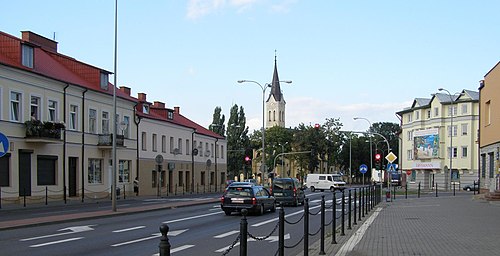
Grajewo is a town located in north-eastern Poland, serving as the capital of Grajewo County in the Podlaskie Voivodeship. With a population of around 20,000 residents, it is known for its rich cultural history and picturesque surroundings. The town lies near significant transportation routes, contributing to its development and connectivity within the region. Situated approximately 50 kilometers northwest of Białystok, the local administrative and cultural hub, Grajewo has benefited from its strategic location and offers access to various amenities and services.
Historically, Grajewo was founded in the early 16th century, with mentions dating back to 1526. Over the centuries, it experienced numerous changes in sovereignty, transitioning through Polish, Lithuanian, and Russian control. The industrial revolution in the 19th century played a pivotal role in Grajewo’s growth, with the establishment of various industries, especially timber and textile manufacturing. The town is also recognized for its Jewish heritage, as it housed a significant Jewish community before World War II, which shaped its cultural landscape. Today, Grajewo is characterized by small and medium-sized enterprises, focusing on commerce and agriculture, and retains its historical charm through several preserved buildings and monuments.
Grajewo features a variety of recreational areas and parks, fostering a close relationship with nature among its residents. The nearby fish ponds and forests provide opportunities for outdoor activities, including fishing and hiking. Additionally, the town hosts several annual events and festivals that celebrate local culture and traditions, drawing both residents and visitors. Grajewo's commitment to community engagement is evident in its numerous cultural initiatives, further enhancing its appeal as a vibrant place to live. As a growing town, Grajewo continues to evolve while maintaining its historical roots, balancing modernization with cultural preservation.
Facts about Grajewo
- Grajewo is known for its strategic location at the crossroads of important transportation routes in northeastern Poland.
- The town has a rich history that dates back to the early Middle Ages and was granted town rights in 1614.
- Grajewo is famous for the historic wooden Church of St. Nicholas, built in the 18th century, which is a significant example of wooden ecclesiastical architecture in Poland.
- The town is home to the Memorial of the Children of the Holocaust, commemorating the Jewish children who were victims of the Nazi regime during World War II.
- Grajewo hosts an annual 'Grajewo Culture and Art Festival' that showcases local traditions, crafts, and performances, attracting visitors from the region.
- The town has a vibrant community of artists and craftsmen, preserving traditional crafts such as weaving and pottery.
- In 2016, Grajewo was awarded the title of 'The Most Active Community in Poland' for its initiatives to promote local development and civic engagement.
- Grajewo is known for its natural surroundings, including several nearby lakes and parks that are popular for outdoor recreation and activities.
- The local economy is bolstered by industries such as textiles, wood processing, and food production, which differentiate it from other towns.
- Grajewo is often considered a hidden gem in Podlachia, offering a unique blend of Polish culture, history, and natural beauty.