Granada, Nicaragua
- 89,409 people
- 10 places to visit
- 11.9344, -85.956
Places to Visit (10)
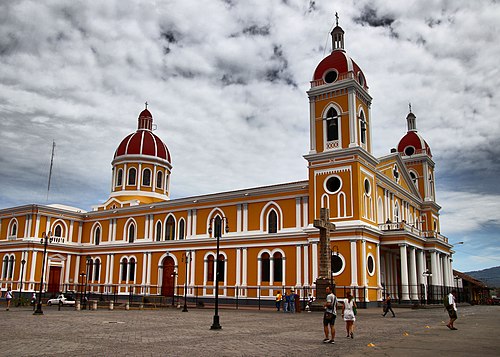
Granada, situated on the shores of Lake Nicaragua, is one of the oldest cities in Central America, founded in 1524 by Spanish conquistador Francisco Hernández de Córdoba. Known for its rich colonial architecture, Granada features vibrant streets adorned with colorful buildings, many dating back to the 16th and 17th centuries. The city is a key cultural hub in Nicaragua and is renowned for its historic significance, boasting landmarks such as the iconic Cathedral of Granada and the San Francisco Convent, which houses a museum showcasing pre-Columbian artifacts. The easy accessibility to both cultural sights and natural beauty makes Granada a popular destination for both domestic and international tourists.
The city's location provides a unique vantage point for exploring the surrounding natural wonders, including the Mombacho Volcano and the Islets of Granada, a series of small islands scattered across Lake Nicaragua. These islands are rich in biodiversity and offer opportunities for kayaking, fishing, and birdwatching. Granada is also famous for its vibrant festivals, such as the Día de la Cruz and the International Poetry Festival, which attract visitors and celebrate Nicaraguan culture. The city's culinary scene is burgeoning, featuring traditional dishes like gallopinto and vigorón, along with a growing selection of restaurants offering a blend of local and international flavors. With its historical charm, natural beauty, and cultural vibrancy, Granada stands as a significant and enchanting part of Nicaragua's landscape.
Facts about Granada
- Granada is one of the oldest cities in Central America, founded in 1524 by Spanish explorer Francisco Hernández de Córdoba.
- The city is known for its well-preserved colonial architecture, with numerous colorful buildings and churches that attract tourists.
- Granada is located on the shores of Lake Nicaragua, making it a significant hub for trade and transport in the region.
- The iconic Catedral de Granada, completed in the 19th century, features a stunning neoclassical design and is the centerpiece of the city's main square.
- Granada is famous for its nearby islets, called 'Isletas de Granada', which are small islands formed by volcanic activity and are popular for boat tours and eco-tourism.
- The city hosts the annual 'Festival Internacional de Poesía' (International Poetry Festival), which attracts poets and literary enthusiasts from around the world.
- Granada boasts the 'Convento San Francisco', one of the oldest convents in the Americas, which now houses an impressive pre-Columbian art museum.
- The city's historic center is classified as a UNESCO World Heritage Site, praised for its colonial architecture and historical significance.
- Granada is often referred to as the 'La Gran Sultana' (The Great Sultana), a title that reflects its historical importance and beauty.
- The local market, Mercado Municipal de Granada, is known for its vibrant atmosphere and offers a wide variety of local crafts, foods, and souvenirs.