Grand Forks ND, United States
- 57,011 people
- 17 places to visit
- 47.9252, -97.0329
Places to Visit (17)
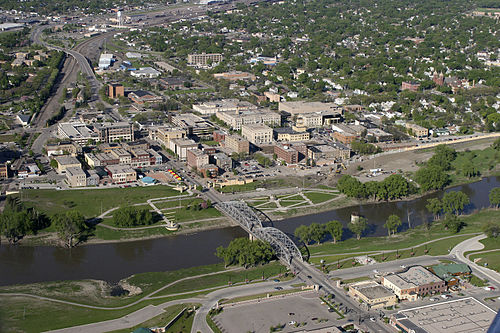
Grand Forks, North Dakota, is a city located in the northeastern part of the state and serves as the county seat of Grand Forks County. Established in the mid-19th century, Grand Forks developed rapidly due to its strategic position along the Red River of the North, which forms the border with Minnesota. The city was founded in 1870 and was named for the confluence of the Red River and its tributary, the Red Lake River. It has a diverse economy that historically relied on agriculture and transportation, but has evolved to include higher education, healthcare, and technology as significant contributors to its economic landscape.
Home to the University of North Dakota, which is the oldest institution of higher education in the state, Grand Forks has a vibrant student population and offers a broad range of academic programs, including strong programs in aerospace, engineering, and medicine. The presence of the university has fostered a culture of research and innovation, making the city a hub for educational, scientific, and technological advancements. Grand Forks is also known for its recreational opportunities, with a network of parks, trails, and outdoor sports facilities. The city hosts various festivals and events throughout the year, including the popular Rubber Duck Regatta and the Grand Forks Air Force Base Open House, showcasing its community spirit and commitment to family-friendly activities. Culturally, Grand Forks provides residents and visitors with access to theaters, art galleries, and museums, which contribute to its dynamic local culture. Despite experiencing challenges, including a catastrophic flood in 1997, the community has shown resilience in rebuilding and revitalizing the city, maintaining a welcoming atmosphere for both residents and newcomers alike.
Facts about Grand Forks
- Grand Forks is known for being home to the University of North Dakota, the oldest university in the state, founded in 1883.
- The city played a significant role during World War II as a base for training B-24 Liberator pilots at the Grand Forks Army Air Field.
- Grand Forks is noted for the 1997 flood, which was one of the most devastating natural disasters in U.S. history, leading to extensive rebuilding and development efforts.
- The city is unique in having a large collection of public art, including the Grand Forks Public Arts Commission, which promotes local artists and host art events.
- Grand Forks is home to the North Dakota Museum of Art, which is the state's first art museum and features a significant collection of contemporary American art.
- The Red River of the North runs through Grand Forks, serving as a natural boundary between North Dakota and Minnesota and offering recreational opportunities.
- Grand Forks has a historical connection to the Northern Pacific Railway, which significantly influenced its development in the late 19th century as a transportation hub.
- The city hosts an annual event known as the Potato Bowl USA, celebrating the region's agricultural heritage and featuring a parade, a football game, and various family activities.
- The Grand Forks Fire Department is notable for creating the Fire Prevention Safety Trailer, a model for educating children about firefighting and safety.
- Grand Forks is also recognized for its vibrant community events, including the Summer Arts Festival and the annual Hockey Day North Dakota, which showcases the area's strong skating and hockey culture.