Granite City IL, United States
- 29,054 people
- 8 places to visit
- 38.7014, -90.1487
Places to Visit (8)
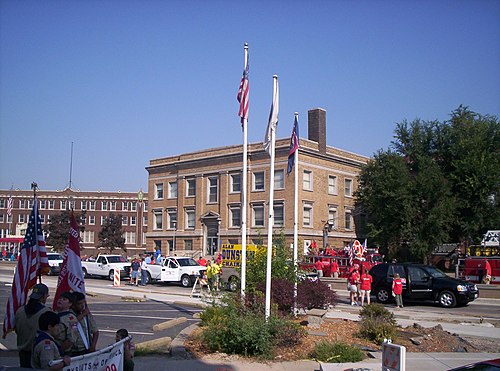
Granite City is a city situated in Madison County, Illinois, in the United States. Located just east of the Mississippi River and approximately 12 miles northeast of St. Louis, Missouri, it forms part of the Greater St. Louis metropolitan area. Granite City was founded in the late 19th century, with its establishment dating back to 1896, and it was named for the granite production industry that flourished in the area. The city's rapid growth was largely driven by the steel industry, with significant contributions from various steel mills that operated throughout the 20th century. Particularly, the U.S. Steel Corporation, which established a major facility there, played a pivotal role in shaping Granite City’s economy and employment landscape.
The city boasts diverse residential neighborhoods along with various parks and recreational areas that contribute to the community's quality of life. Granite City is home to several annual events and festivals that promote local culture and community engagement, including the Granite City Labor Day Parade and the East Side Community Festival. Education is served by several school districts, with Granite City Community Unit School District No. 9 being the primary district, offering education from preschool through high school. Additionally, the city is served by a network of public services and amenities, making it a convenient place for families and individuals. Despite facing challenges related to economic fluctuations in the steel industry and aiming for diversification, Granite City continues to engage in efforts to revitalize its local economy and improve the overall sustainability of its community.
Facts about Granite City
- Granite City, Illinois, was founded in 1896 and is known for its historical connection to the granite industry, which played a significant role in its development.
- The city is located just across the Mississippi River from St. Louis, Missouri, making it part of the greater St. Louis metropolitan area.
- Granite City is home to the Granite City Steel Works, which was established in 1878 and has been a major employer in the region, contributing significantly to the local economy.
- The city hosts the annual Granite City Music Festival, which celebrates local and regional musicians, fostering a vibrant arts scene in the community.
- One of the unique landmarks in Granite City is the Granite City Historical Museum, where visitors can explore artifacts and exhibits highlighting the city’s rich history.
- Granite City has a notable park system, including over 20 parks, with the largest being Wilson Park, featuring various recreational facilities and events throughout the year.
- The city is known for its distinct architectural feature, the old U.S. Steel plant smokestacks, which are a remnant of its industrial past and a recognizable part of the skyline.
- Granite City was named after the granite industry that thrived there in the late 19th century, differentiating it from many other towns that are not linked to such a specific industry.
- In 2004, Granite City became the first city in the United States to declare itself a 'Go Green' community, promoting environmental sustainability initiatives.
- Granite City has a rich sports culture, known for its local baseball teams and also for being home to several professional athletes, particularly in baseball and football.