Gravataí, Brazil
- 238,778 people
- 6 places to visit
- -29.9399, -50.9948
Places to Visit (6)
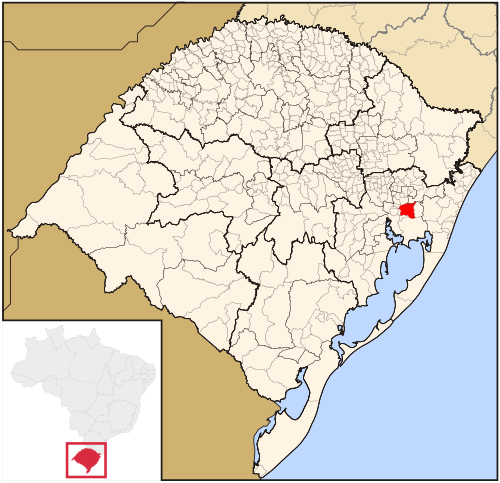
Gravataí is a vibrant city situated in the southern Brazilian state of Rio Grande do Sul, positioned approximately 29 kilometers (18 miles) northeast of Porto Alegre, the state's capital. Known for its rich cultural heritage and developing economy, Gravataí is one of the most significant urban centers in the region. The city was founded on March 15, 1934, and has since evolved from a rural area into an important industrial hub, attracting significant investment and development. Its name is derived from the Tupi language, meaning "place of the gravel," which is indicative of the region's historical ties to indigenous populations.
The city's economy thrives on a diverse range of industries, with automotive manufacturing being a critical sector. Gravataí is home to several major companies, including automotive giants that have established manufacturing plants, thereby contributing to both local employment and the broader economy of Brazil. In addition to its industrial base, Gravataí has witnessed growth in the commercial sector, offering a variety of shopping centers, restaurants, and services that cater to its expanding population. The city's strategic location along major highways enhances its logistical advantages, facilitating trade and economic activities with neighboring municipalities.
Gravataí is also recognized for its rich natural landscapes, which include parks and green spaces that provide residents and visitors with recreational opportunities. The city's cultural scene is vibrant, highlighted by various events, festivals, and local traditions that celebrate its heritage. In terms of education, Gravataí hosts several schools, colleges, and institutions, contributing to the development of a skilled workforce. With a population of around 280,000 people, it has a distinct community feel, fostering a blend of urban living and accessible natural beauty. As Gravataí continues to grow, it remains a notable example of progress and opportunity within Brazil's southern region.
Facts about Gravataí
- Gravataí is known for its rich indigenous heritage and was named after the Guarani word 'Gravata', which refers to a type of fish found in the region.
- The city is home to the largest and oldest annual cattle fair in Brazil, the 'Festa Nacional do Cavalo', which celebrates the cultural significance of horses in the region.
- Gravataí has a significant industrial base, with a concentration of automobile manufacturers, including a major plant of the General Motors company, highlighting its importance in Brazil's automotive industry.
- The city boasts a historic center that features colonial-era architecture, including the Church of Our Lady of the Conception, built in the 19th century, which reflects its cultural history.
- Gravataí is situated close to Porto Alegre, the state capital of Rio Grande do Sul, making it a key suburban area with strong economic and social ties to the metropolitan region.
- The city has established numerous environmental protection areas along the Gravataí River, promoting sustainability and preserving natural habitats.
- Gravataí hosts the 'Semana da Cultura' (Culture Week), an event that showcases local music, arts, traditions, and gastronomy, emphasizing its cultural diversity.
- The city is culturally significant for its contributions to the traditional southern Brazilian music genre known as 'gaita' or 'accordion music'.
- Gravataí's educational institutions include the Centro Universitário do Extremo Sul and the Escola Técnica Estadual, which provide diverse academic opportunities for its residents.
- The municipality has participated in various social projects aimed at reducing poverty and improving education, distinguishing it as an active participant in social development in Brazil.