Gravina di Catania, Italy
- 26,524 people
- 13 places to visit
- 37.5606, 15.068
Places to Visit (13)
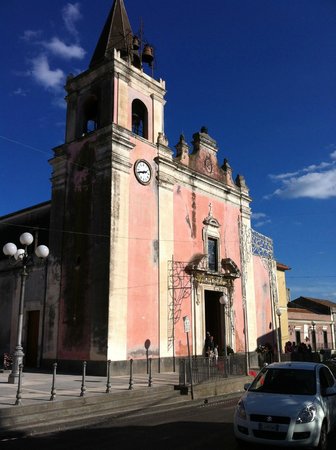
Gravina di Catania is a municipality located in the province of Catania, in the northeastern part of Sicily, Italy. Nestled at the foot of the majestic Mount Etna, the city is a charming blend of cultural heritage and natural beauty. With a population of approximately 22,000 residents, Gravina di Catania offers a more tranquil alternative to the bustling city of Catania, which lies only a few kilometers to the west. The town is characterized by its picturesque streets, traditional Sicilian architecture, and proximity to stunning landscapes that attract both locals and tourists.
The historical roots of Gravina di Catania can be traced back to the Byzantine era, with significant development occurring during the Norman and Swabian periods. The town boasts several notable landmarks, including the Church of San Giovanni Battista, a 16th-century structure that showcases elements of both Baroque and Renaissance styles. The town's cultural heritage is also reflected in various local festivals and traditions, which often draw inspiration from religious and historical themes. The economy of Gravina di Catania is primarily based on agriculture, commerce, and services, with an emphasis on local products, including wines, olives, and citrus fruits.
Surrounded by fertile agricultural land and breathtaking landscapes, Gravina di Catania offers ample opportunities for outdoor activities, including hiking and exploring the nearby Etna National Park. The town's strategic location serves as a gateway for visitors wishing to experience the wonders of Mount Etna, one of the most active volcanoes in the world. Additionally, Gravina di Catania is well-connected to other Sicilian cities and attractions, making it an ideal base for exploring the rich culture, history, and natural beauty of Sicily. With its blend of historical significance, cultural vibrancy, and stunning surroundings, Gravina di Catania is a noteworthy destination for those seeking an authentic Sicilian experience.
Facts about Gravina di Catania
- Gravina di Catania is located at the foothills of Mount Etna, the largest active volcano in Europe, providing a unique geographical context that impacts its climate and agriculture.
- The city is known for its baroque architecture, which is characteristic of many Sicilian towns, but Gravina di Catania has its own distinct features, such as the Church of Santa Maria di Nazareth, with its exquisite façade.
- Gravina di Catania is part of the Metropolitan City of Catania, contributing to its historical significance in the region since the Roman era.
- The annual festival of San Giovanni Battista is a significant cultural event in Gravina, celebrated with processions, traditional music, and local culinary delicacies that reflect the city's heritage.
- The town is home to the ancient Roman aqueduct, which is still visible today and is an important archaeological site that showcases the engineering prowess of the Romans.
- Gravina di Catania is less touristy compared to its neighbors, allowing visitors to experience authentic Sicilian culture and community life without the crowds.
- The city features a distinctive combination of agricultural traditions and urban life, producing local specialties such as almonds and citrus fruits that thrive in the fertile volcanic soil.
- While neighboring Catania is infamous for its lava flows, Gravina di Catania has developed a local culture that incorporates these geological features into its art and landscape.
- The city has a rich tradition of festivals, including the Sagra della Patata, celebrating the potato, a crop significantly cultivated in the region, highlighting local agriculture.
- Gravina di Catania is strategically located near major highways, providing quick access to both the scenic beauty of Mount Etna and the historical sites of Catania, making it a convenient base for exploration.