Greenbelt MD, United States
- 24,272 people
- 14 places to visit
- 39.0046, -76.8755
Places to Visit (14)
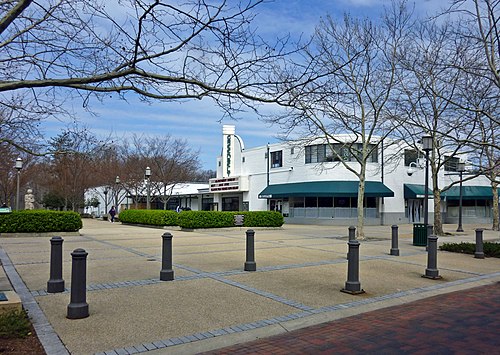
Greenbelt, Maryland, is a unique city located within Prince George's County, just northeast of Washington, D.C. Established as a planned community in the 1930s under President Franklin D. Roosevelt's New Deal, Greenbelt was originally created to serve as a model for affordable housing and community planning during the Great Depression. The city was designed by architect Clarence Stein, who emphasized the integration of green spaces, parks, and communal areas with residential buildings. Greenbelt is notable for its distinctive architectural style, primarily featuring low-rise apartments and convenient access to recreational areas. As a testament to its historical significance, Greenbelt was designated a National Historic Landmark District in 1997.
Today, Greenbelt boasts a population of approximately 23,000 residents and remains a vibrant community characterized by its commitment to sustainability and civic engagement. The city's proximity to Washington, D.C., allows residents to benefit from urban conveniences while preserving a suburban atmosphere. Greenbelt is enriched with natural landscapes, including the expansive Greenbelt Park, which offers hiking trails, picnic areas, and opportunities for various recreational activities. The city is also home to several public parks and facilities, including the Greenbelt Museum, which showcases the history and development of the area, as well as the Greenbelt Arts Center, fostering local artistic talent.
Economically, Greenbelt has a diverse base, with many residents commuting to Washington, D.C., for work in the federal government and other sectors. The city supports local businesses and incorporates a mix of shops, restaurants, and community services in its vibrant town center. Greenbelt also hosts various annual events, such as the Greenbelt Labor Day Festival, which highlights local culture and traditions. With its rich history, commitment to community values, and strategic location, Greenbelt serves as an exemplary model of a planned urban community, balancing the needs of its residents with environmental and social stewardship.
Facts about Greenbelt
- Greenbelt, MD was one of the first planned communities in the United States, developed during the Great Depression in 1937 as part of a New Deal program.
- The town was designed by renowned architect and town planner, Clarence Stein, which reflects the principles of the Garden City movement.
- Greenbelt has the distinction of being one of the few cities in the U.S. that is part of a federal housing project initiated by the Resettlement Administration.
- The city is home to the Greenbelt Museum, which focuses on the history and community life of the city since its inception.
- Greenbelt is surrounded by the Greenbelt Park, a 1,100-acre National Park that offers hiking trails, camping, and recreational opportunities.
- The city has a rich tradition of community events, including the popular Greenbelt Labor Day Festival, which celebrates the city's history and community spirit.
- Greenbelt was designed with pedestrian accessibility in mind, featuring a network of walking trails and bike paths that connect neighborhoods to parks and amenities.
- The Greenbelt Arts Center, a nonprofit community theater, hosts a variety of performances throughout the year, showcasing local talent and culture.
- Greenbelt Civic Theatre, established in the 1940s, is one of the oldest continuously operating community theaters in the Washington, D.C. metropolitan area.
- The city's unique architectural style includes several examples of Streamline Moderne and International Style homes, making it a distinctive architectural enclave.