Greven, Germany
- 35,080 people
- 13 places to visit
- 52.0965, 7.6171
Places to Visit (13)
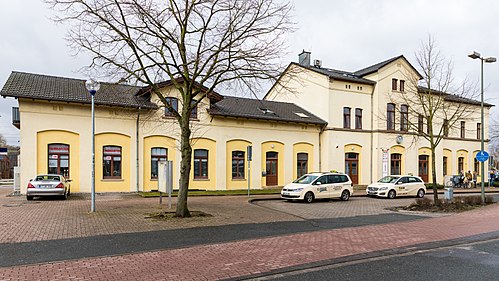
Greven is a small city located in the North Rhine-Westphalia region of Germany, specifically in the district of Steinfurt. Situated approximately 10 kilometers east of the larger city of Münster, Greven has a population of around 35,000 residents. The city is characterized by its blend of historical charm and modern amenities, making it a welcoming place for both locals and visitors. Greven boasts a rich history that dates back to the Middle Ages, with its first documented mention in the year 1060. The city's medieval architecture, including the iconic St. Martin's Church, highlights its historical significance and adds to its scenic landscape.
The city's economy is diversified, with a mix of traditional industries and modern enterprises. Greven has established itself as a center for the logistics and transport sector, benefiting from its strategic location near major highways and rail networks. Additionally, the city is home to several small and medium-sized businesses, which contribute to local employment and economic stability. Greven’s pleasant environment is complemented by various recreational opportunities, including parks, cycling routes, and the nearby Ems River, offering residents a high quality of life.
Culturally, Greven hosts several events throughout the year, which foster community spirit and celebrate local traditions. The annual Greven Fair and Christmas markets are particularly popular, attracting visitors from surrounding areas. The city also promotes various artistic and cultural initiatives, including music festivals and art exhibitions, showcasing the vibrant community life of Greven. With its blend of historical heritage, modern economy, and active community life, Greven represents a quintessential German city that harmoniously combines the past and the present.
Facts about Greven
- Greven is known for its historical significance as a center of the tobacco industry in Germany, particularly in the 19th century.
- The city is home to the St. Martin's Church, a notable example of Gothic architecture, which dates back to the 14th century.
- Greven features the beautiful Greven Polders, a unique natural area that is part of the Ems river ecosystem, making it distinct from many other cities.
- Each year, Greven hosts the International Balloon Festival, attracting balloonists from around the world to showcase colorful hot air balloons in the sky.
- The town has a strong connection to the city of Münster, located just a few kilometers away, enabling a vibrant economic and cultural exchange.
- Greven is recognized for its commitment to sustainability and hosts various green initiatives and projects aiming to enhance the local environment.
- The Greven Castle, a historical site, offers insights into the medieval history of the region and showcases the city's long-standing heritage.
- Greven has a rich railway history, being an important junction on the Westphalian railway network that contributed to its growth in the 19th century.
- The city boasts the famous 'Grevenaer Kirmes', a traditional festival that celebrates local culture with music, food, and carnival attractions.
- Greven houses several local breweries that produce distinct regional beers, contributing to its unique gastronomic offerings compared to other cities.