Grevenbroich, Germany
- 64,779 people
- 12 places to visit
- 51.0902, 6.5859
Places to Visit (12)
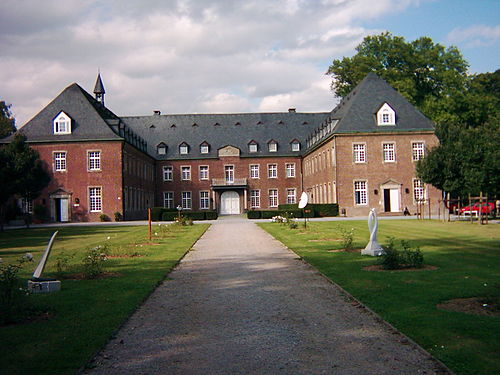
Grevenbroich is a town in North Rhine-Westphalia, Germany, located approximately 20 kilometers northwest of Düsseldorf, the state capital. With a population of around 30,000 residents, Grevenbroich is part of the Rhein-Kreis Neuss district and serves as an important regional center. The town is strategically situated at the intersection of major roads, making it an accessible location for both residents and businesses. Grevenbroich is characterized by its blend of industrial and residential areas, along with green spaces that enhance the quality of life for its inhabitants.
Historically, Grevenbroich has roots that trace back to the 12th century, with its name deriving from the Latin "Gravenbroich," which means "marsh of the counts." The town developed significantly during the 19th century due to industrialization, particularly in coal mining and electricity generation. Notable landmarks include the Renaissance-style Grevenbroich Castle, which dates back to the 14th century and is surrounded by a picturesque park. The town also features various cultural institutions, including local museums and theaters that engage the community through arts and education. Grevenbroich hosts several annual events, such as the Christmas market and the carnival parade, which attract visitors and foster community spirit.
In modern times, Grevenbroich has transitioned to a more diversified economy, moving away from its industrial past. The town emphasizes sustainability and nature conservation, with numerous parks and natural reserves in proximity, such as the Erholungspark Elfenmeer and the nearby Nature Reserve, which provide recreational opportunities. Grevenbroich is well-connected via public transportation, offering easy access to larger cities in the region. Its commitment to balancing urban development with environmental consciousness makes it an appealing place to live and work, attracting families and individuals seeking a community-oriented lifestyle.
Facts about Grevenbroich
- Grevenbroich is known for its historical castle, Schloss Grevenbroich, a significant landmark that dates back to the 12th century and showcases various architectural styles over the centuries.
- The city is home to the unique annual event 'Grevenbroicher Schützenfest', a traditional marksmen's festival that celebrates local culture with parades, competitions, and festivities.
- Grevenbroich has been a center for coal mining, particularly during the industrial revolution, which shaped its economy and demographics significantly, distinguishing it from other towns that lack this industrial background.
- The city's location at the confluence of the rivers Erft and Düssel provides it with a picturesque natural environment, which is not as common in many other German towns and cities.
- Grevenbroich's historical development was influenced by its strategic position along trade routes, making it an important trading hub in the region during the Middle Ages.
- The local community is known for its active participation in sports, with the Grevenbroich Rangers being a key player in the American football scene, highlighting a diverse sporting culture unique to the area.
- Grevenbroich is notable for its modern industrial parks, housing various businesses and innovations, setting it apart from smaller towns that may lack such economic developments.
- The city has a strong emphasis on sustainability and environmental protection, hosting various green initiatives and events that promote eco-friendly practices.
- Grevenbroich is part of the larger Rhine-Ruhr metropolitan region and has been influenced by urban development trends, making it a blend of historical charm and modern infrastructure.
- The city is culturally rich, featuring several local theaters and art venues, which host a variety of performances and exhibitions unique to its cultural landscape.