Gronau, Germany
- 46,161 people
- 8 places to visit
- 52.2128, 7.0462
Places to Visit (8)
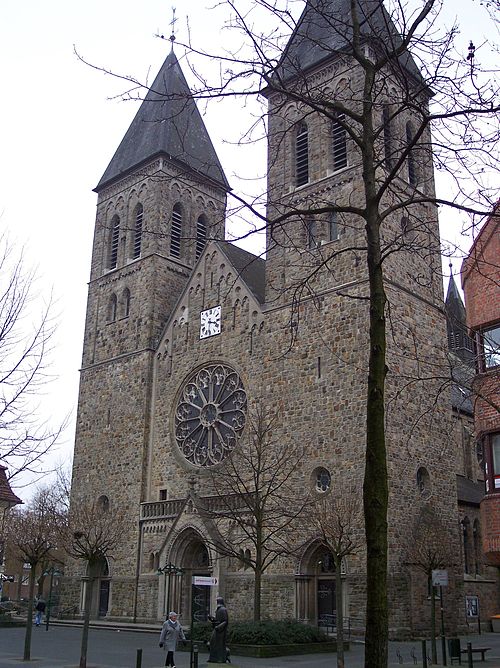
Gronau is a city located in the northeastern part of North Rhine-Westphalia, Germany, near the Dutch border. With a population of approximately 18,000 residents, it is part of the district of Borken. The city's origins can be traced back to the Middle Ages, and it has grown over the centuries into a center of industry and commerce. Gronau is particularly known for its historical significance in the textile industry, which played a crucial role in its economic development during the 19th and early 20th centuries. Today, while the textile industry has diminished, Gronau has successfully diversified its economy, with sectors such as logistics, healthcare, and education contributing to its growth.
Geographically, Gronau is characterized by its appealing landscape, which includes parks, canals, and forests that appeal to both residents and tourists. The city is well-connected through an efficient transportation network, including direct rail connections to larger cities such as Münster and Enschede in the Netherlands. This strategic location enhances its appeal as a residential area, providing easy access to both German and Dutch markets. Gronau is also equipped with various cultural and recreational facilities, reflecting a vibrant community life. The city hosts several events and festivals throughout the year, celebrating its cultural heritage and fostering community spirit. Additionally, Gronau has notable architectural landmarks, including the Evangelische Stadtkirche and several historical buildings that showcase the city’s rich history.
Gronau is also home to an influential music scene, particularly in the area of jazz and folk music, and has earned the nickname "the city of music." The annual "Gronauer Jazz Festival" attracts musicians and visitors from across the region, highlighting the city's commitment to cultural expression. The combination of historical significance, economic resilience, and cultural vibrancy makes Gronau an intriguing city with a unique blend of tradition and modernity, reflecting the diverse character of the North Rhine-Westphalia region.
Facts about Gronau
- Gronau is known for being the birthplace of the famous German music band BAP's frontman, Wolfgang Niedecken.
- The city is home to a large number of Dutch residents and has a significant cultural influence from the Netherlands due to its proximity to the Dutch border.
- Gronau has a strong historical connection to the textile industry, which played a crucial role in its development during the 19th and 20th centuries.
- The Gronau Windmill, or 'Gronauer Mühle,' is a restored traditional Dutch windmill located in the city, showcasing its historical ties to wind power.
- Gronau is the location of the 'Nationale Gesangwettbewerb' (National Singing Competition), highlighting its rich musical culture and traditions.
- The 'Gronau Underground' is a famous local music scene that has produced numerous influential bands and musicians, contributing to the city's vibrant cultural identity.
- The city's annual 'Gronauer Stadtfest' celebrates local culture, history, and arts, attracting visitors from neighboring regions.
- Gronau hosts the Museum im Breiten, which is dedicated to the history and development of the region, showcasing its unique industrial heritage.
- The city is recognized for its eco-friendly initiatives, particularly in renewable energy and sustainable urban development, marking it as a leader in environmental awareness.
- Gronau features a unique historical site, the 'Erholungspark,' a former quarry turned park that offers both recreational and historical significance to the community.