Groningen, Netherlands
- 233,218 people
- 20 places to visit
- 53.2194, 6.5665
Places to Visit (20)
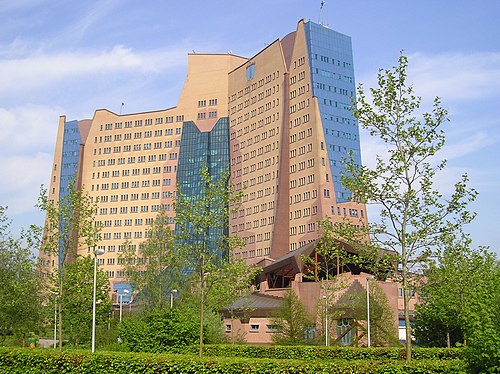
Groningen is a vibrant city located in the northern part of the Netherlands, serving as the capital of the Groningen province. Known for its rich history, educational institutions, and cultural scene, the city has a population of around 200,000 residents, making it one of the larger cities in the Netherlands. The city's history dates back over a thousand years, with its roots in the medieval period. Groningen played a significant role in trade due to its strategic location, which led to its growth and development through the centuries. The city's architecture reflects this history, with numerous historic buildings such as the Martinitoren, a 97-meter tall church tower that is an iconic symbol of Groningen.
Groningen is recognized as a prominent university city, home to the University of Groningen, one of the oldest and largest universities in the Netherlands, founded in 1614. The presence of the university adds a youthful energy to the city and fosters a diverse population of students from various nationalities. Additionally, the Hanze University of Applied Sciences offers practical-oriented education and contributes to the city’s reputation as a hub for knowledge and innovation. The cultural landscape of Groningen is rich, featuring numerous museums, theaters, and festivals throughout the year. The Groninger Museum, known for its striking modern architecture, showcases contemporary art and design, while the city frequently hosts events such as the Noorderzon Performing Arts Festival and the Eurosonic Noorderslag music festival, attracting artists and visitors from across the globe.
Transportation in Groningen is highly accessible, with an extensive network of cycling paths, making it one of the most bike-friendly cities in the world. Public transportation, including buses and trains, provides easy access to other parts of the Netherlands and neighboring countries. The city’s pedestrianized center encourages exploration and offers a wide range of shops, cafes, and restaurants serving both local and international cuisine. The bustling atmosphere is complemented by green spaces such as the Noorderplantsoen park, where residents and visitors can relax and enjoy the outdoors. Overall, Groningen is a city that blends rich history with modern living, making it an appealing destination for both residents and travelers alike.
Facts about Groningen
- Groningen is known for its vibrant student population, being home to the University of Groningen, one of the oldest universities in the Netherlands, established in 1614.
- The city features the iconic Martinitoren, a medieval church tower that stands at 97 meters, making it the tallest in the northern Netherlands.
- Groningen boasts a unique blend of modern architecture and historical buildings, with noteworthy structures such as the Groninger Museum, renowned for its avant-garde design and exhibitions.
- The Noorderplantsoen park, established in the late 19th century, is famous for its picturesque landscape and is a hub for various cultural events and festivals.
- Groningen hosts the largest annual outdoor music festival in the Netherlands, called 'Eurosonic Noorderslag', which showcases European talent and emerging artists.
- Unlike many other Dutch cities, Groningen has the Distillery 'Paleis van de Dronken Palen', which produces locally crafted gin and liquor, emphasizing the city's artisanal spirits.
- The city has a noteworthy cycling culture, with an extensive network of bike paths and a high percentage of residents using bicycles as their primary mode of transportation.
- Groningen's rich history includes the iconic 'Battle of Groningen' during World War II, where the city played a crucial role in the liberation of the Netherlands.
- The city's vibrant street art scene is characterized by numerous murals and installations, with annual festivals like 'The Groningen Street Art Festival' dedicated to celebrating urban art.
- Groningen is also known for its strong emphasis on sustainability, being one of the first cities in the Netherlands to implement comprehensive green initiatives, including urban farming and renewable energy projects.