Groß-Gerau, Germany
- 23,641 people
- 13 places to visit
- 49.9204, 8.4847
Places to Visit (13)
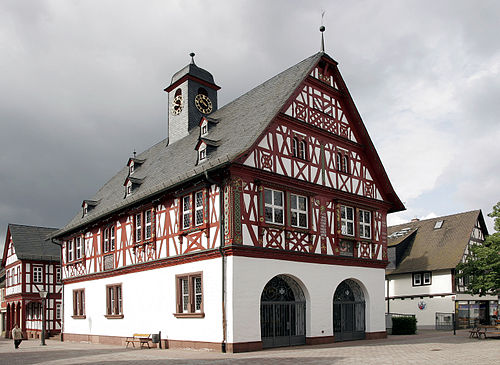
Groß-Gerau is a town located in the southern part of Hesse, Germany, situated approximately 20 kilometers south of Frankfurt am Main. It serves as the administrative center of the Groß-Gerau district and is part of the Frankfurt Metropolitan Region. The town has a rich history, with its origins dating back to the early medieval period. Over the years, it has transitioned from a farming community to a more urbanized locale, particularly following World War II when it experienced significant growth due to an influx of people and industries.
As of 2021, Groß-Gerau has a population of around 29,000 residents. The town boasts a mix of modern amenities and historical architecture, with several preserved buildings that highlight its past. Among these is the St. Elizabeth Church, a notable example of Gothic Revival architecture. The town also has a vibrant cultural scene, evidenced by various events and festivals that take place throughout the year, fostering community spirit and engagement. Connected by a well-developed network of public transportation, including trains and buses, Groß-Gerau offers easy access to nearby urban centers, making it a desirable location for commuters.
Economic activity in Groß-Gerau is diverse, featuring a mix of manufacturing, service industries, and trade. The proximity to Frankfurt, a major financial hub, has further bolstered the local economy, attracting businesses and fostering job growth. The town is also home to numerous parks and recreational areas that enhance the quality of life for its residents. With its blend of historical charm, economic opportunity, and community-focused living, Groß-Gerau exemplifies the character of many small towns in Germany that balance tradition and modernity.
Facts about Groß-Gerau
- Groß-Gerau is known for its unique location at the crossroads of the Rhine-Main area, providing access to both urban and rural environments.
- The city has a rich textile industry history, particularly in the production of linen, which played a significant role in its economic development during the 19th century.
- Groß-Gerau is home to the St. Elizabeth Church, a notable example of neo-Gothic architecture that serves as a central landmark for the city.
- The city hosts an annual 'Groß-Gerauer Stadtfest' which celebrates local culture, cuisine, and community, distinguishing it from many other German towns.
- Groß-Gerau is surrounded by nature parks, such as the Kühkopf–Knoblochsaue Nature Reserve, offering unparalleled opportunities for outdoor activities.
- The city is recognized for its diverse community and has established various international partnerships that promote cultural exchange.
- Groß-Gerau was the birthplace of several notable figures, including the singer and songwriter Peter Cornelius, who is known for his contributions to the German music scene.
- The local historical museum showcases the unique history of the region, with exhibits focusing on the development of Groß-Gerau and its surrounding areas.
- In terms of transportation, Groß-Gerau has a well-connected train station that facilitates travel to major cities like Frankfurt and Darmstadt, setting it apart as a commuter-friendly location.
- Groß-Gerau features a unique blend of modern urban development alongside well-preserved historical buildings, creating a distinctive cityscape.