Grosseto, Italy
- 60,922 people
- 6 places to visit
- 42.7636, 11.1124
Places to Visit (6)
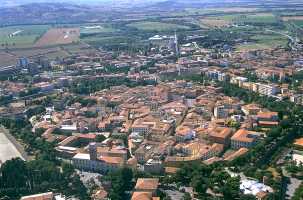
Grosseto is a historic city located in the southern part of Tuscany, Italy, serving as the capital of the province of the same name. With a population of approximately 82,000 inhabitants, it is an important agricultural and commercial center. The city is situated on a fertile plain near the Tyrrhenian Sea, surrounded by the scenic landscapes of the Maremma region, known for its natural parks and rich biodiversity. It boasts a strategic location, making it accessible from major Italian cities, with the nearest significant urban area being Siena, about 100 kilometers to the northeast.
Grosseto's history dates back to ancient times, with roots tracing back to the Etruscans, who established a settlement in the area. The city later became a Roman municipality known as "Corssenna." During the Middle Ages, Grosseto developed prominently, fortified by walls that remain partially intact today. The historic center features notable landmarks, such as the Cathedral of San Lorenzo, which showcases a mix of Gothic and Romanesque architectural styles and dates back to the 13th century. Other important sites include the Medici Fortress, a 16th-century bastion that offers panoramic views of the city, as well as various churches, squares, and museums that reflect the city’s rich cultural heritage.
In modern times, Grosseto serves as a gateway to the beautiful coast of Tuscany, characterized by sandy beaches and nature reserves such as the Maremma Regional Park. The region is known for its agricultural products, particularly wine and olive oil, which are integral to the local economy and culinary scene. The city hosts various festivals throughout the year, celebrating local traditions, gastronomy, and culture, thereby attracting tourists interested in history, art, and the natural beauty of the surrounding areas. Grosseto's combination of historical significance, cultural richness, and proximity to picturesque landscapes makes it an essential destination in Tuscany.
Facts about Grosseto
- Grosseto is home to the majestic Medici Walls, a unique example of 16th-century military architecture that encircles the old town, distinguishing it from other cities in Italy.
- The city is located in the heart of the Maremma region, known for its unspoiled landscapes, wild horses, and rich biodiversity, making it a unique destination for nature lovers.
- Grosseto has a long history dating back to Etruscan times, and it features the impressive Etruscan ruins found nearby, setting it apart from many other Italian towns.
- The Cathedral of San Lorenzo in Grosseto is renowned for its unique Romanesque and Gothic architectural styles, showcasing a blend that is specific to the region.
- The city hosts the annual Festival of the Maremma, a cultural event celebrating local food, wine, and traditions, reflecting the region's distinctive agricultural heritage.
- Grosseto has a significant presence of natural parks, including the Uccellina Park, which protects diverse ecosystems and offers stunning coastal scenery not commonly found in many Italian urban areas.
- The area is famous for its production of high-quality wines, particularly the Morellino di Scansano, which has earned a protected designation of origin (DOCG), highlighting its importance in Italy's wine industry.
- Grosseto has a rich medieval heritage, evidenced by its charming medieval streets and squares, which provide a different ambiance compared to larger, more industrialized cities.
- The city hosts a variety of archaeological sites, including those from the ancient Romans, offering a deeper insight into Italy's diverse historical tapestry.
- Grosseto is also notable for its commitment to sustainable tourism and environmental preservation, making it a model for modern Italian cities in balancing development with nature.