Grytviken, South Georgia and the South Sandwich Islands
- 2 people
- 5 places to visit
- -54.2811, -36.5087
Places to Visit (5)
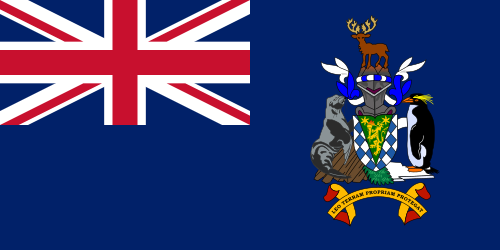
Grytviken is a historic whaling station and the largest settlement on South Georgia, part of the South Georgia and the South Sandwich Islands, a British Overseas Territory in the southern Atlantic Ocean. Founded in 1904 by the Norwegian whaling company Christian Salvesen, Grytviken, which translates to "pot cove" in Norwegian, was established primarily for the processing of whale oil. At its peak in the early 20th century, the station was bustling with activity, employing hundreds of workers engaged in whaling and related industries. The town included essential facilities such as a church, a school, and residential quarters, reflecting the community that developed around the whaling enterprise. However, the decline in whale populations due to overhunting led to the station's gradual closure, with commercial whaling ceasing entirely by the late 1960s.
Today, Grytviken serves as a unique reminder of the whaling industry's impact on the region and boasts remnants of its past, including dilapidated buildings, whale processing equipment, and a museum that documents the station's history as well as the broader context of whaling in the Antarctic. The area is now a popular stop for scientific research and eco-tourism, particularly for visitors arriving via cruise ships that navigate the Southern Ocean. Grytviken also holds significance as the final resting place of Sir Ernest Shackleton, the famous explorer who led the Imperial Trans-Antarctic Expedition. Shackleton died in Grytviken in 1922 and was buried there, where his grave has become a site of pilgrimage for adventure enthusiasts and history buffs alike. Despite its remote location, Grytviken attracts those interested in Antarctic exploration, wildlife, and the environmental impacts of human activity in one of the last great wildernesses on Earth.
Facts about Grytviken
- Grytviken is the only permanent settlement on South Georgia, a remote and remote island in the South Atlantic Ocean.
- Established in 1904, Grytviken was originally a whaling station and one of the largest of its kind in the Southern Hemisphere.
- The name 'Grytviken' translates to 'Pot Cove' in Norwegian, reflecting the area's settlement by Norwegians during the whaling era.
- Grytviken is notable for its historic buildings, including the restored Norwegian church, which serves as a cultural landmark on the island.
- The settlement is home to the South Georgia Museum, which showcases the island's whaling history and natural environment.
- Grytviken is often referred to as the 'capital' of South Georgia, despite being a small settlement with fewer than 30 inhabitants.
- The nearby King Edward Point hosts a British Antarctic Survey research station, contributing to scientific studies in the region.
- Grytviken is a popular landing site for tourists visiting South Georgia, particularly those arriving by expedition cruises.
- The former whaling station has now become an important site for wildlife observation, with ample opportunities to see seals and penguins.
- Grytviken is famous for the grave of the legendary explorer Ernest Shackleton, who was buried here in 1922 after his final expedition.