Guam Government House, Guam
- 11 places to visit
- 13.4443, 144.7937
Places to Visit (11)
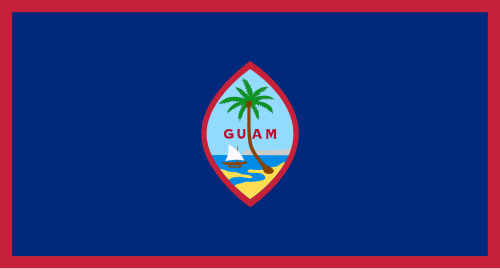
Guam Government House, also known as the Latte of Freedom, serves as the official residence and office of the Governor of Guam, an unincorporated territory of the United States located in the western Pacific Ocean. Situated in Hagåtña, the capital of Guam, this distinctive building is an important symbol of the island's political and cultural identity. The construction of the Government House was completed in 2013, replacing the original structure that was built in the 1990s and fell into disrepair. The design of the new building is heavily influenced by Chamorro culture, incorporating traditional architectural elements such as latte stones, which are pillars made from coral limestone that reflect the island's prehistoric heritage. The Government House serves not only as the administrative center for the territory's executive branch but also as a venue for official ceremonies and events.
Symbolically, the Guam Government House is designed to promote community engagement and transparency in governance. The premises include a public area that showcases various artifacts, artworks, and historical documents, highlighting Guam's rich cultural legacy. The external grounds feature beautifully landscaped gardens that are intended for public enjoyment and community events. The Governor's office within the building is equipped with modern facilities that facilitate the efficient administration of government affairs. As Guam continues to navigate its political status and relationship with the United States, the Government House stands as a beacon of local governance, embodying the aspirations and identity of the people of Guam. It plays a crucial role in the territory's ongoing discourse about self-determination and the future of its political status while fostering a sense of unity among its residents.
Facts about Guam Government House
- Guam Government House, also known as the Plaza de Espana, serves as the official residence of the Governor of Guam and is a prominent historic landmark.
- The Government House is located near the heart of Hagåtña, the capital city of Guam, and reflects colonial Spanish architecture, distinguishing it from other buildings in the area.
- Originally built in the 19th century, the Government House has undergone several renovations, blending modern elements with its historical foundation.
- The site of the Government House has been used for governmental purposes since the 1660s, making it one of the oldest public buildings in Guam.
- Within the compound lies the ancient Latte stones, which are unique to Chamorro culture and serve as symbols of Guam's pre-colonial history.
- The Government House is the center for official ceremonies and events, often hosting dignitaries and government functions, setting it apart from other local venues.
- Surrounding the Government House are beautifully landscaped gardens, making it a popular spot for both locals and tourists to relax and enjoy the scenery.
- It is home to various local artworks and cultural artifacts that represent Guam's rich heritage, showcasing the island's artistic traditions.
- The Government House has served as a symbol of resilience, particularly after the devastation of World War II, when Guam was liberated and rebuilt.
- The building is a key part of Guam's cultural heritage, as it often hosts events celebrating Chamorro culture and traditions, reinforcing its importance in the local community.