Guanajuato, Mexico
- 72,237 people
- 18 places to visit
- 21.019, -101.2574
Places to Visit (18)
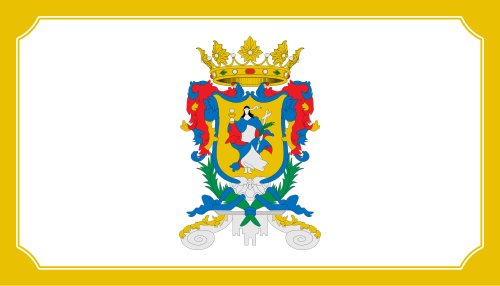
Guanajuato is a historic city located in central Mexico, renowned for its rich cultural heritage, vibrant colors, and intricate network of underground tunnels. Founded in the 16th century, the city quickly became a major mining center due to the rich deposits of silver and gold discovered in the region. The wealth generated from mining fueled the city’s growth and led to the construction of stunning architectural landmarks, such as the Basilica of Our Lady of Guanajuato and the grand Teatro Juárez. These structures reflect a blend of styles, including Baroque and Neoclassical influences, making the city a remarkable example of colonial architecture.
Guanajuato's unique geography, characterized by steep hills and narrow streets, has resulted in an unusual urban layout, with many homes and buildings perched on rocky slopes. The city is also famous for its underground roadways created from former mine tunnels, which help alleviate congestion in the narrow streets above. Another notable feature is the vibrant festivals that occur throughout the year, such as the International Cervantino Festival, which celebrates the arts and literature with performances from artists worldwide, paying homage to Mexico’s rich cultural history. Recognized as a UNESCO World Heritage Site in 1988, Guanajuato attracts tourists from around the globe, drawn by its picturesque scenery, historical significance, and lively atmosphere. Today, the city continues to thrive as a cultural center, with a strong emphasis on education and the arts, home to several universities and institutions that contribute to its dynamic cultural landscape.
Facts about Guanajuato
- Guanajuato is known for its underground tunnels, which were originally built for mining and later repurposed for roadways, giving the city a unique transportation system.
- The city is famous for its colorful houses and narrow alleys, creating a vibrant and picturesque urban landscape that has earned it a UNESCO World Heritage Site designation.
- Guanajuato is the site of the annual Cervantino International Festival, one of Latin America's most important cultural festivals, celebrating the works of Miguel de Cervantes and the arts in general.
- It was a significant location during the Mexican War of Independence, with the historic Alhóndiga de Granaditas serving as a key battleground where insurgents fought for freedom from Spanish rule.
- Guanajuato is home to the Mummy Museum, which displays naturally mummified bodies that were discovered in the local cemetery, making it a quirky attraction for visitors.
- The city has a rich heritage of silver mining, particularly during the colonial era, which significantly contributed to its wealth and architectural grandeur.
- Guanajuato is famous for its unique street names, which are often named after local legends and historical figures, adding a layer of cultural depth to the city's charm.
- The city features the iconic Pipila Monument, a statue honoring a local hero from the independence movement, providing panoramic views of the entire city.
- Guanajuato is also recognized for its romantic ambiance, being a popular destination for couples, especially during the Month of Love in February, when the city hosts various romantic events.
- The Callejón del Beso (Alley of the Kiss) is a popular tourist spot, famous for its romantic legend and its narrow passageway where two balconies are so close they almost touch.