Guantánamo, Cuba
- 272,801 people
- 6 places to visit
- 20.14, -75.2129
Places to Visit (6)
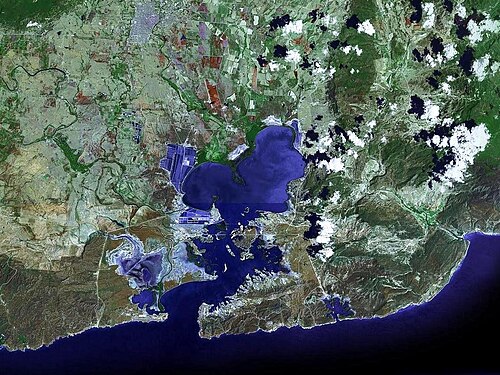
Guantánamo, a city located on the southeastern coast of Cuba, serves as the capital of Guantánamo Province. With a population of approximately 210,000, it is the third-largest city in Cuba. Founded in 1518, it is notable for its rich history, cultural diversity, and strategic importance due to its proximity to the Guantánamo Bay, which has been the site of a U.S. naval base since the Spanish-American War in 1898. The bay itself is significant for its geographic location, serving as a crucial naval station and hosting a controversial detention facility established in 2002 in the aftermath of the September 11 attacks.
The city is characterized by its vibrant culture, which reflects a blend of Spanish colonial heritage and Afro-Cuban influences. Guantánamo is known for its music, particularly the "Guantanamera" song, which has become emblematic of Cuban nationalism. The local economy is primarily based on agriculture, the production of sugar, and tobacco, which are vital to the country’s economy. Additionally, tourism plays a role, with visitors attracted to the region's historical sites, beautiful landscapes, and unique cultural experiences. Despite the political controversies surrounding the U.S. naval base and its implications for the local community, Guantánamo retains a unique identity shaped by resilience and a rich historical tapestry. The city's environment, coupled with its culturally significant events like the Festival del Caribe, showcases Guantánamo as a microcosm of Cuban society, blending tradition with the challenges of modernity.
Facts about Guantánamo
- Guantánamo is home to the U.S. Naval Base Guantánamo Bay, which has been a point of tension and controversy between the United States and Cuba since it was established in 1903.
- The city serves as the capital of the Guantánamo Province, which is located in the southeastern part of Cuba, making it a key regional hub.
- Guantánamo is known for its unique music genre called 'Son Guantanamo,' which has its roots in traditional Cuban Son music but features distinct local rhythms and styles.
- The region surrounding Guantánamo is rich in biodiversity and includes the Sierra del Cristal national park, a UNESCO Biosphere Reserve known for its endemic species.
- Guantánamo's historical significance includes its role during the Cuban Revolution, particularly as the area where the first rebel victories were achieved in the 1950s.
- The city is famous for the Guantánamo Bay Naval Base, which has garnered international attention due to the detention facility for terrorism suspects that was established there in 2002.
- Guantánamo hosts the annual Festival del Caribe, a cultural event that celebrates Caribbean music, dance, and art, attracting visitors from various countries.
- The city's architecture features a mix of colonial and modern styles, with notable landmarks including the Cathedral of Guantánamo, which dates back to the colonial era.
- Guantánamo is strategically located near some of Cuba's most beautiful beaches, including Playa de Guantánamo, which is less commercialized compared to other tourist destinations.
- Unlike many other Cuban cities, Guantánamo has a significant presence of Haitian culture due to historical migration, influencing local cuisine and traditions.