Guarapuava, Brazil
- 150,850 people
- 7 places to visit
- -25.3889, -51.4612
Places to Visit (7)
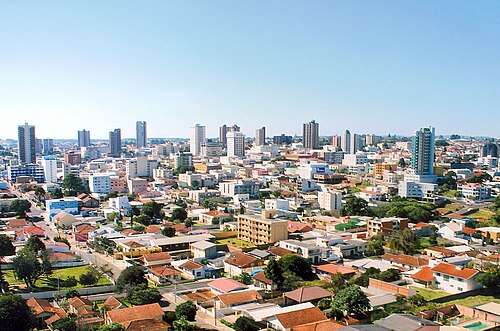
Guarapuava is a municipality located in the southern Brazilian state of Paraná. Situated approximately 250 kilometers from the state capital, Curitiba, Guarapuava lies at an elevation of about 1,200 meters above sea level, making it one of the highest cities in the region. The city was founded on December 15, 1951, but its history dates back to the 18th century when it was originally inhabited by indigenous peoples. Guarapuava's name is derived from the Tupi language, meaning “place of many waters,” which references the numerous rivers and streams that traverse the area.
The economy of Guarapuava is diversified, with significant contributions from agriculture, livestock, and commerce. The region is known for its fertile soil, supporting the cultivation of crops such as corn, soybeans, and wheat. Additionally, the city is recognized for its dairy production and cattle ranching. Guarapuava also serves as an important commercial hub for the surrounding agricultural areas, offering various services and goods. The city's infrastructure includes educational institutions, healthcare facilities, and transportation networks, including highways and railways that facilitate the movement of goods and people.
Culturally, Guarapuava boasts a rich heritage, reflected in its annual festivals and events that showcase the region's traditions and community spirit. One notable event is the Festival of the Corn, which celebrates local agricultural production with food, music, and cultural activities. The city's natural surroundings, characterized by extensive green areas, parks, and scenic landscapes, attract outdoor enthusiasts and eco-tourism. With a population of around 180,000 inhabitants, Guarapuava is characterized by its friendly community atmosphere, making it a key player in the socio-economic landscape of Paraná. Its blend of natural beauty, agricultural significance, and cultural offerings makes Guarapuava a noteworthy city in Brazil.
Facts about Guarapuava
- Guarapuava is known for its rich agricultural landscape, particularly in the production of grains like corn and soybeans, which plays a significant role in Brazil's economy.
- The city has a unique historical site, the 'Catedral Nossa Senhora de Belém,' recognized for its striking architecture and importance to the local community.
- Guarapuava is located in the state of Paraná and sits at a high altitude, approximately 1,100 meters above sea level, contributing to its distinct climate and natural beauty.
- The city is home to the Parque do Lago, a large urban park that features a scenic lake, walking trails, and recreational areas, making it a significant spot for residents and visitors.
- Guarapuava celebrates its historical heritage through annual events like the 'Festa Nacional do Pinhão,' highlighting local culture and traditions, particularly those related to pine nuts.
- The city has a notable educational institution, the Universidade Estadual do Centro-Oeste (UNICENTRO), which is influential in providing higher education in the region.
- Guarapuava is surrounded by lush landscapes and is part of the 'Caminhos do Centro-Sul' tourist route, which attracts visitors interested in ecotourism and scenic exploration.
- It is recognized for its commitment to sustainability and environmental conservation, with various initiatives aimed at protecting local ecosystems.
- The city has a diverse population, with various cultural influences from immigrants, which is reflected in its culinary offerings and local festivals.
- Guarapuava is often referred to as the 'Capital of the Cascades' due to its proximity to numerous waterfalls and natural water features that enhance its scenic charm.