Guayaquil, Ecuador
- 2,723,665 people
- 17 places to visit
- -2.1891, -79.8899
Places to Visit (17)
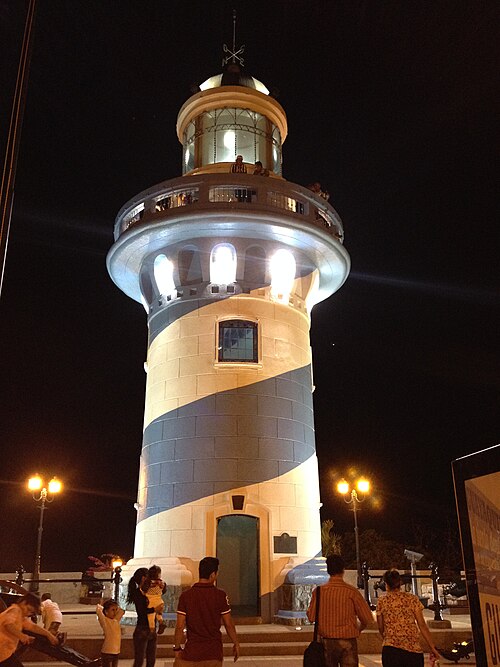
Guayaquil, located on the western banks of the Guayas River in Ecuador, is the largest city in the country and serves as its main economic hub. With a population exceeding 2.7 million, it is a vital port city that plays a significant role in both trade and commerce, accounting for a substantial portion of Ecuador's exports. Known for its rich history, Guayaquil was officially founded in 1537 by Spanish conquistador Francisco de Orellana, and its historical significance has resulted in a blend of cultural influences, including Indigenous, Spanish, and Afro-Ecuadorian heritage. The city has undergone considerable transformation over the years, evolving from a rough port town into a vibrant metropolitan area.
The city's economy thrives on shipping, agriculture, and manufacturing, with industries such as banana, shrimp, and cacao exports contributing significantly to its financial growth. Guayaquil is also known for its modern infrastructure, including the José Joaquín de Olmedo International Airport, which connects it to numerous domestic and international destinations. The Malecón 2000, a waterfront revitalization project, showcases the city’s commitment to development, providing public spaces for leisure and cultural activities. Guayaquil's cultural scene is rich, with numerous museums, theaters, and festivals celebrating its diverse history and local traditions. The city is also recognized for its culinary offerings, featuring a variety of seafood dishes influenced by its coastal geography.
Tourism in Guayaquil has blossomed, attracting visitors with its historical sites, vibrant neighborhoods, and beautiful parks, such as Parque Histórico Guayaquil, which offers a glimpse into the region's past. The Las Peñas district is famous for its colorful buildings and artistic atmosphere, representing the artistic spirit of the city. Additionally, Guayaquil serves as a gateway to Ecuador's natural attractions, including the Galápagos Islands, drawing tourists who are eager to explore its unique biodiversity. As a city that harmoniously blends the old with the new, Guayaquil continues to position itself as an essential player on both a national and global scale.
Facts about Guayaquil
- Guayaquil is Ecuador's largest city and its main port, playing a crucial role in the country's economy and international trade.
- The city is known for its vibrant Malecón 2000, a waterfront promenade that features parks, shopping, and cultural attractions along the Guayas River.
- Guayaquil's historical district, Las Peñas, is the oldest neighborhood in the city, famous for its colorful houses and narrow streets, showcasing colonial architecture.
- The city has undergone significant modernization and urban development in recent decades, earning the nickname 'The Pearl of the Pacific.'
- Guayaquil is home to the innovative Parque Histórico Guayaquil, which combines wildlife conservation, cultural heritage, and historical reconstruction.
- The city hosts the Guayaquil Book Fair, one of the most significant literary events in Ecuador, attracting international authors and thousands of visitors each year.
- Sambu, a traditional dish specific to Guayaquil, is a form of fish stew that showcases the city's rich culinary culture influenced by coastal traditions.
- Guayaquil has a tropical climate, making it one of the warmest cities in Ecuador, which contrasts with the cooler highland cities like Quito and Cuenca.
- The city's annual Festival de Guayaquil celebrates its foundation with parades, music, dances, and cultural events, emphasizing local pride and history.
- Guayaquil boasts the largest public park in Ecuador, Parque Los Samanes, which is a significant urban green space dedicated to biodiversity and leisure.