Guelma, Algeria
- 120,004 people
- 2 places to visit
- 36.4627, 7.4331
Places to Visit (2)
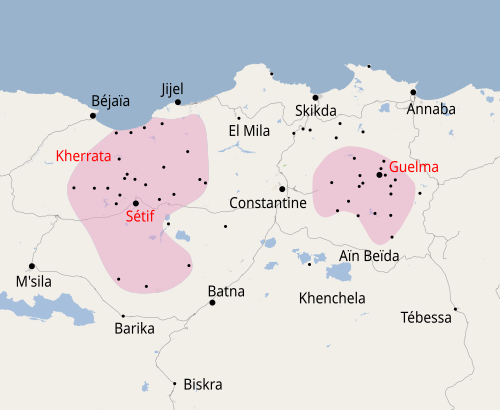
Guelma is a city located in northeastern Algeria, serving as the capital of the Guelma Province. Nestled near the coastal region of the Mediterranean Sea, the city is situated approximately 150 kilometers east of the capital, Algiers. Guelma is characterized by its strategic position, which connects it to major transport routes, making it a vital economic and cultural hub in the region. The city itself has a population of around 150,000 residents, reflecting a mix of Berber and Arab influences that shape its rich cultural tapestry.
Historically, Guelma has significant roots that trace back to ancient times. The city was originally known as "Calama" during the Roman era and was an important center for the Romans in North Africa. Remnants of this history can still be observed today through various archaeological sites, including the well-preserved Roman theater, the aqueducts, and the remains of temples. This historical heritage is complemented by the stunning landscapes surrounding Guelma, featuring rolling hills and the nearby river that adds to its picturesque setting. Additionally, the city is known for its thermal springs, which have been popular since antiquity for their therapeutic properties, attracting both locals and visitors seeking wellness treatments.
In modern times, Guelma has evolved into a dynamic urban center, blending historical charm with contemporary development. Its economy is primarily based on agriculture, trade, and tourism, with the cultivation of olives, fruits, and vegetables being a significant part of the local agriculture. The presence of various markets and shops fosters a vibrant commercial atmosphere, while the city's diverse cultural events and festivals showcase its rich traditions and community spirit. Guelma also serves as an educational center, housing institutions that contribute to the region's literacy and skill development. As Algeria continues to grow and modernize, Guelma remains a pivotal city that balances its historical legacy with the demands of contemporary life.
Facts about Guelma
- Guelma, known in ancient times as Timgad, was a major Roman city and is home to well-preserved Roman ruins.
- The city is famous for its natural hot springs, which have been used for therapeutic purposes since ancient Roman times.
- Guelma is located in northeastern Algeria, between the Mediterranean coast and the Tell Atlas mountain range, giving it a unique geographical position.
- The nearby archaeological site of Aïn Tiss, part of the rich Roman heritage, features impressive ruins, including a large amphitheater and several temples.
- Guelma has a vibrant local market that highlights traditional Algerian crafts and products, making it distinct in its commercial culture.
- The annual Guelma Cultural Festival celebrates local arts, music, and cuisine, showcasing the city's rich traditions and attracting tourists.
- Guelma was the site of significant events during the Algerian War of Independence, including key battles and uprisings against French colonial rule.
- The city has a unique blend of Berber and Arab culture, reflected in its architecture, cuisine, and local customs.
- Guelma's educational institutions focus on Arabic and French education, contributing to the linguistic diversity of the region.
- The landscapes surrounding Guelma are noted for their natural beauty, including forests, rivers, and hills, providing recreational opportunities distinct from urban centers.