Güstrow, Germany
- 31,217 people
- 10 places to visit
- 53.8002, 12.1746
Places to Visit (10)
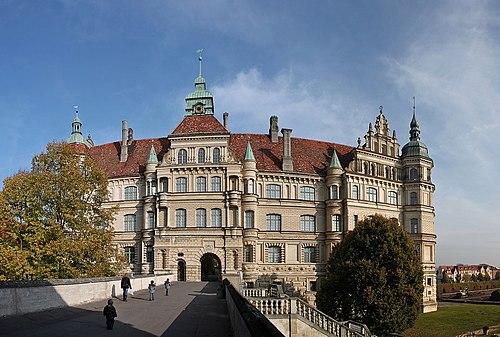
Güstrow is a historical city located in the state of Mecklenburg-Vorpommern, Germany. Situated in the northern part of the country, it lies approximately 30 kilometers northeast of Rostock. Güstrow serves as the district capital of the Güstrow district and has a rich history dating back to its founding in the 12th century. The city was initially established as a Slavic settlement, with the name derived from the Slavic word for “bridge.” Over the centuries, Güstrow evolved into an important center for trade and commerce, especially during the Hanseatic League’s prominence. Today, it has a population of around 30,000 residents and is known for its well-preserved medieval architecture, lakes, and its proximity to the scenic landscapes of the Mecklenburg Lake District.
One of Güstrow's architectural highlights is the Güstrow Cathedral, a stunning example of late Gothic architecture with roots extending back to the 14th century. The cathedral features a striking twin-towered façade and a remarkable interior, including a famous altar by the renowned sculptor Ernst Barlach. The city is also known for its Renaissance castle, the Güstrow Castle, which was built in the 16th century and now houses a museum showcasing regional history and art. Güstrow’s cultural scene is accentuated by several festivals, art exhibitions, and performances, particularly influenced by its association with Barlach, who was a significant figure in German expressionism. The city is enveloped by natural beauty, making it an attractive destination for outdoor enthusiasts, with opportunities for hiking, cycling, and water sports in the adjacent lakes and parks. Güstrow combines historical significance with a vibrant community, making it a notable spot on the map of Germany’s cultural and historical landscape.
Facts about Güstrow
- Güstrow is home to the Güstrow Castle, a Renaissance-style castle that dates back to the 16th century, which is one of the key architectural monuments in northern Germany.
- The city is closely associated with the poet and playwright Heinrich von Kleist, who spent time in Güstrow and found inspiration for his works in the surrounding landscapes.
- Güstrow features the 18th-century St. Mary's Church, notable for its unique baroque architecture and a beautiful organ crafted by the famous organ builder, Arp Schnitger.
- The city hosts the Güstrow Castle Gardens, which are a popular example of historical landscaped gardens in Germany and attract numerous visitors each year.
- Güstrow is the birthplace of the artist and sculptor, Ernst Barlach, known for his expressive wooden sculptures and his contributions to German expressionism.
- The annual Güstrow Festival attracts visitors with a focus on music, arts, and culture, featuring performances from local and international artists.
- The nearby Güstrow zoo is one of the oldest in Germany and serves as a significant educational and recreational center for families and schools.
- Güstrow was a significant center for the production of the clay pipe industry in the 19th century, contributing to the city’s economic development during that period.
- The city's location near the Tollense River contributed to its historical role in trade, making it an important hub in the Middle Ages connecting various regions in northern Germany.
- Güstrow is known for its commitment to environmental sustainability, with numerous initiatives focused on preserving its natural surroundings and promoting green energy.