Guigang, China
- 1,086,327 people
- 9 places to visit
- 23.1131, 109.5976
Places to Visit (9)
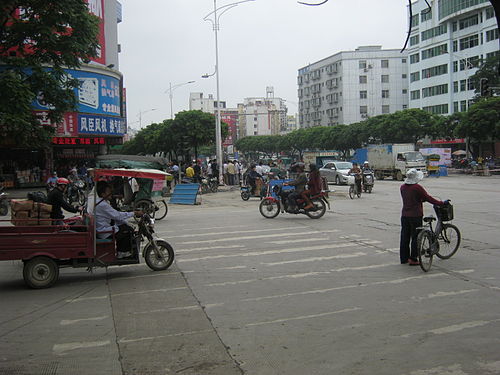
Guigang is a city in Guangxi Zhuang Autonomous Region, located in southern China. As the administrative center of Guigang Prefecture-level city, it is positioned at the conjunction of the Guijiang and Youjiang rivers, approximately 150 kilometers southeast of Nanning, the regional capital. Guigang has a rich history, with its origins tracing back to the Qin dynasty (221–206 BCE). Over the centuries, the area developed into an agricultural stronghold, heavily influenced by the fertile plains and abundant water resources. The local economy has traditionally centered on agriculture, with rice, sugarcane, and fruit cultivation being the predominant sectors.
In recent years, Guigang has evolved into a hub for various industries, including manufacturing and commerce, benefiting from its strategic location and transportation links. The city has seen significant investment in infrastructure, facilitating trade and connectivity to both regional and national markets. Guigang is also recognized for its cultural diversity, being home to various ethnic groups, primarily the Zhuang people, which contributes to its rich cultural tapestry. The city's landmarks include historical buildings, temples, and parks, showcasing both its natural beauty and cultural heritage. Additionally, the local government has focused on sustainable urban development to preserve the environment while promoting economic growth. Over the years, tourism has also grown, as visitors are drawn to its scenic landscapes, unique customs, and vibrant festivals, making Guigang an increasingly notable destination within Guangxi.
Facts about Guigang
- Guigang is known for being the birthplace of the famous Chinese martial art 'Bagua Zhang', which attracts martial arts enthusiasts to the region.
- The city has a unique geographical feature known as the Guigang Basin, which is characterized by its rich alluvial plains and is vital for agriculture.
- Guigang hosts the annual China Guigang International Dragon Boat Race Festival, which celebrates local cultural heritage and promotes tourism.
- The Guigang Zhangjiang River, a tributary of the Pearl River, is known for its scenic views and has been a critical waterway for trade and transportation historically.
- The city is famous for its local delicacy, Guigang Rice Noodles, which are distinct in flavor and preparation methods compared to rice noodles from other regions in China.
- Guigang has a rich historical background, having been an important town during the Southern Song Dynasty, with several ancient relics that reflect its past.
- The Guigang Museum showcases the city's history and cultural artifacts, differing from many cities that focus solely on art or modern history.
- The city is also recognized for its unique production of agricultural products, particularly its high-quality silkworm cocoon cultivation, which is less common in many other regions.
- Guigang is noted for its beautiful natural landscapes, including the Li River and surrounding karst mountains, making it a unique destination for ecotourism.
- The city is part of the Guangxi Zhuang Autonomous Region, which is home to a significant population of the Zhuang ethnic group, offering a unique cultural experience within China.