Guimarães, Portugal
- 40,604 people
- 9 places to visit
- 41.4425, -8.2918
Places to Visit (9)
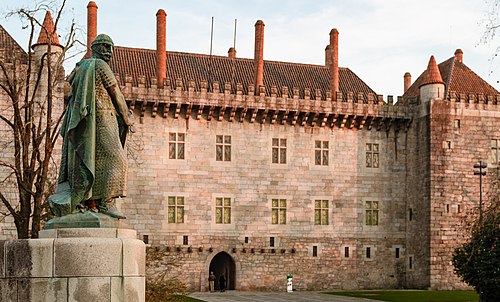
Guimarães, often referred to as the "birthplace of Portugal," is a city nestled in the northern region of the country, specifically in the district of Braga. Established in the 10th century, Guimarães played a pivotal role in the foundation of the Portuguese nation and its historical significance is reflected in its well-preserved medieval architecture. The city is recognized as a UNESCO World Heritage Site, thanks to its extensive historical center, which showcases a blend of Gothic, Romanesque, and Baroque styles. Notable landmarks include the iconic Guimarães Castle, built in the 10th century, and the Palace of the Dukes of Braganza, which dates back to the 15th century. These structures not only highlight Guimarães' rich history but also stand as symbols of Portuguese heritage.
Modern Guimarães is a vibrant city that combines its historical roots with contemporary culture. It serves as a hub for education and commerce and is home to the University of Minho, which attracts students from various regions. The city's cultural events, including the popular Guimarães Jazz festival and the annually celebrated Festa de São Gens, reflect its dynamic community spirit. Furthermore, Guimarães is situated in a region known for its natural beauty, with lush hills and scenic landscapes that offer opportunities for outdoor activities such as hiking and exploring nature trails. As an essential destination for both history enthusiasts and modern travelers, Guimarães successfully encapsulates the essence of Portuguese culture and history, making it a must-visit location in the Iberian Peninsula.
Facts about Guimarães
- Guimarães is often referred to as the 'birthplace of Portugal' due to its pivotal role in the country's formation during the 12th century.
- The historical center of Guimarães was declared a UNESCO World Heritage Site in 2001, recognized for its well-preserved medieval architecture.
- The iconic Guimarães Castle, dating back to the 10th century, is one of the most important symbols of Portuguese national identity.
- The Palace of the Dukes of Braganza in Guimarães showcases a blend of medieval and Renaissance architecture and is a major tourist attraction.
- Guimarães hosts the annual Guimarães Jazz festival, which has gained significant acclaim and attracts international artists and audiences.
- The city is home to the Vila Flor Cultural Centre, which features contemporary art exhibitions and performances, enhancing Guimarães's cultural scene.
- Guimarães is known for its traditional textile industry, especially its production of high-quality wool and cotton fabrics.
- It was in Guimarães that Afonso I, the first King of Portugal, was born, and the region played a crucial role in the struggle for Portuguese independence.
- The city features unique architectural styles, including the Manueline style, evident in various churches and buildings throughout the area.
- Guimarães has a vibrant gastronomy scene, famous for its local specialties such as 'Bolinhos de Amor' and 'Arroz de Sarrabulho,' attracting food enthusiasts.