Gujō, Japan
- 41,858 people
- 9 places to visit
- 35.7485, 136.9643
Places to Visit (9)
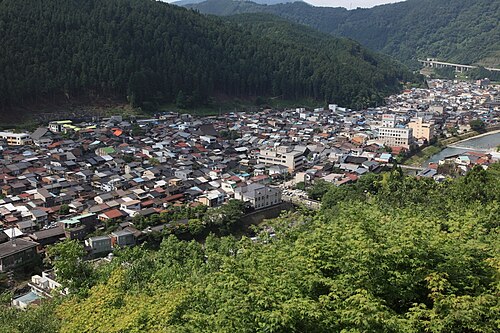
Gujō is a picturesque city located in Gifu Prefecture, Japan, renowned for its rich cultural heritage, beautiful landscapes, and vibrant traditional festivals. Nestled within the Hida Mountains, Gujō is characterized by its mountainous terrain and rivers, which contribute to its stunning natural scenery. The city is particularly famous for its crystal-clear water, sourced from the Ibigawa River, which has been recognized for its quality and purity. As a result, Gujō has cultivated a thriving sōmen (thin wheat noodles) industry, with the local delicacy gaining popularity among both residents and visitors. The city is also known for its traditional crafts, including the intricate techniques of Gujō earthenware and the production of handmade yo-yo and karuta (Japanese playing cards).
Culturally, Gujō is significant for its vibrant festivals, most notably the Gujō odori, a traditional dance festival held during summer. This event attracts numerous tourists who come to witness the colorful processions and participate in the lively dances, reflecting the city's strong community spirit and cultural pride. The city’s history can be traced back to the Edo period, and its old town area, with historic buildings and streets, offers a glimpse into Feudal Japan. Additionally, Gujō is home to several historical landmarks, including Gujō Hachiman Castle, which showcases the architectural style of the era and provides panoramic views of the surrounding landscape. Outdoor activities abound in Gujō, with options for hiking, fishing, and exploring the lush countryside, making the city an attractive destination for nature lovers and adventure seekers alike.
In recent years, Gujō has also focused on preserving its environment and promoting sustainable tourism practices, aiming to maintain the balance between modernization and tradition. The combination of natural beauty, cultural richness, and historical significance makes Gujō a unique destination, offering visitors an authentic experience of rural Japan while ensuring the preservation of its heritage for future generations.
Facts about Gujō
- Gujō is renowned for its traditional Gujō Odori dance festival, which takes place every summer and dates back over 400 years.
- The city is famous for its pristine water sources and is often referred to as the 'Water City' due to the abundance of rivers and streams in the area.
- Gujō is known for its unique 'Gujō ware,' a type of traditional Japanese pottery that is characterized by its vibrant colors and delicate designs.
- The city has a historical significance as a castle town, with Gujō Hachiman Castle being a notable landmark built in 1559, offering panoramic views of the surrounding area.
- Gujō is home to the 'Gujō Hachiman' district, which features preserved Edo-period buildings and traditional streetscapes, providing a glimpse into Japan's past.
- The region is famous for its production of ayu (sweetfish), which attracts fishing enthusiasts and food lovers alike to its clear rivers.
- Gujō hosts the world's largest washi (Japanese paper) craft fair, celebrating traditional washi-making techniques and artistry during the autumn season.
- The city is part of the 'Gifu Prefectural Indigenous Peoples Cultural Heritage District,' highlighting its efforts to preserve local culture and traditions.
- Gujō is also known for producing high-quality Kochi sake, with several breweries showcasing their unique brews that embody local flavors.
- In addition to its cultural richness, Gujō offers outdoor activities, including hiking and exploring nearby national parks, which distinguishes it from urban cities.