Gujrat, Pakistan
- 301,506 people
- 4 places to visit
- 32.5731, 74.1005
Places to Visit (4)
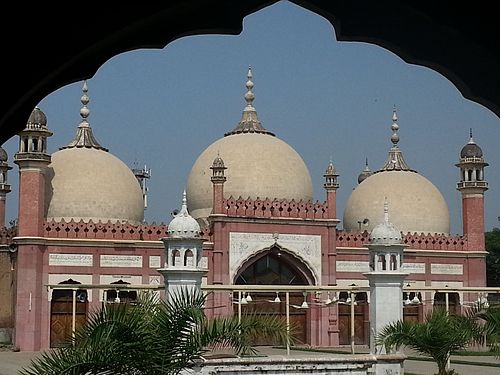
Gujrat is a city located in the Punjab province of Pakistan, situated approximately 100 kilometers (62 miles) southeast of Islamabad and 200 kilometers (124 miles) northwest of Lahore. Established in 3200 BC, Gujrat has a rich historical background, often referred to as the "City of Pottery" due to its long tradition of ceramics and pottery-making. The city was founded by the ancient civilization of the Indus Valley and later became a significant cultural and trade center due to its strategic position on the Grand Trunk Road, which historically connected Central Asia with the Indian subcontinent. Gujrat's history reflects a mix of various cultures, with influences from Persian, Mughal, and British eras, as well as local traditions.
Today, Gujrat is known as an important industrial and economic hub in Pakistan, particularly renowned for its manufacturing sector, which includes the production of ceramics, tile making, and furniture. The city is home to several industries, small-scale manufacturing units, and a vibrant market for various goods. The education system in Gujrat has seen improvements over the years, with several public and private institutions catering to diverse academic needs. The city also features notable historical sites, including the ancient sites of Katas Raj Temples, which attract both local and international tourists. Prominent landmarks include the Gujrat Fort, which holds historical significance, and the tomb of the famous Sufi saint, Syed Ali Shah Qadri.
Socially and culturally, Gujrat is characterized by a blend of traditional Pakistani influences and modern advancements. The city hosts various festivals and cultural events that celebrate its rich heritage, including the traditional Punjabi music, dance, and art. The population is predominantly Punjabi, and the local dialect reflects this cultural background. Gujrat has a diverse demographic profile, with communities from different ethnic backgrounds contributing to its social fabric. The local cuisine, known for its delicious and spicy flavors, adds to the appeal of Gujrat, making it a vibrant place to visit or reside. In recent years, the government has made efforts to enhance urban infrastructure and public services, promoting growth and making Gujrat a dynamic city in the Punjab province.
Facts about Gujrat
- Gujrat is renowned for its ceramics and pottery, often referred to as the 'City of Pottery' due to its significant production of traditional clay products.
- The city has a rich historical background with roots dating back to 2000 BC, and it has been a significant site for various civilizations, including the Mughals.
- Gujrat is home to the famous Kharian District, which played an important role during the British colonial rule as an administrative center.
- The city boasts the historic Wazir Khan Mosque, which is an excellent example of Mughal architecture and is considered a significant cultural landmark.
- Gujrat was the first district in the Punjab province to be granted the status of a municipal corporation in 2001, highlighting its administrative importance.
- The city is famous for its 'Gujrat Blue Pottery,' a unique style that is different from traditional pottery styles found elsewhere in Pakistan and India.
- Gujrat has produced notable political figures, including Raja Muhammad Zafar-ul-Haq, a prominent Pakistani politician and former speaker of the Senate.
- The local economy of Gujrat is heavily reliant on the manufacturing of furniture and textiles, in addition to its pottery production.
- Gujrat is known for its annual cultural festivals, which showcase local crafts, music, and traditional food, promoting local culture and tourism.
- The city is strategically located at a crossroads, making it an important hub for road communications within Punjab and connecting to major cities like Lahore and Islamabad.