Gulu, Uganda
- 146,858 people
- 9 places to visit
- 2.7724, 32.2881
Places to Visit (9)
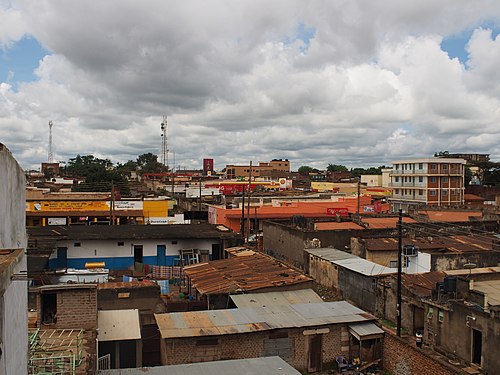
Gulu is a city located in northern Uganda, serving as the capital of the Gulu District. Known primarily for its historical significance during Uganda's civil conflict, particularly the Lord’s Resistance Army (LRA) insurgency, Gulu has undergone considerable transformation in recent years. The city, which is situated approximately 340 kilometers north of Kampala, the capital of Uganda, has a population of around 150,000 inhabitants, making it one of the largest urban centers in the northern region. Gulu is characterized by a unique blend of cultural diversity, having a population that includes various ethnic groups such as the Acholi, Lango, and Iteso.
The city is an important economic hub for northern Uganda, with a growing market and various sectors contributing to its economy. Agriculture is the mainstay, with the surrounding regions benefiting from fertile land that supports the cultivation of crops such as maize, millet, and cassava. Gulu is also known for its vibrant local markets, where residents buy and sell goods ranging from produce to crafts. The city has seen significant infrastructural development post-conflict, with improvements in road networks, healthcare facilities, and educational institutions. The establishment of Gulu University in 2002 marked a pivotal development in educational access for the region, enhancing opportunities for higher education and research.
Tourism is also emerging as a potential growth area for Gulu as visitors are drawn to its rich cultural heritage and natural beauty. Nearby attractions include Murchison Falls National Park and Lake Albert, which offer opportunities for wildlife viewing and adventure tourism. Furthermore, cultural experiences, such as traditional dance performances and art from the Acholi people, contribute to the region's appeal. Overall, Gulu is a city that embodies resilience and potential, striving to overcome its tumultuous past while forging a pathway toward sustainable development and cultural revival.
Facts about Gulu
- Gulu is known for its historical significance during the Lord's Resistance Army (LRA) conflict, making it a key location for post-war recovery efforts in northern Uganda.
- The city serves as the largest urban center in Northern Uganda and has been a hub for the region's rehabilitation and development after years of conflict.
- Gulu is home to the Gulu University, the first university in northern Uganda, established in 2002 and focused on improving educational standards in the region.
- The Gulu Agricultural Show, held annually, showcases local agriculture and provides a platform for farmers to exhibit their produce and livestock, promoting agricultural innovation in the region.
- Gulu is known for its vibrant arts and culture scene, especially the traditional Acholi music and dance, which play a crucial role in community identity and heritage.
- The city boasts the famous Gulu Market, known for its bustling environment and variety of goods, from local produce to crafts, reflecting the economic activities of the region.
- Gulu is close to various significant cultural sites, including the Nyero Rock Paintings, which offer insights into the ancient histories of the region's inhabitants.
- The city is an important center for NGOs and humanitarian efforts focused on peacebuilding and community development in the aftermath of the LRA conflict.
- Gulu hosts numerous cultural and music festivals, including the Gulu International Film Festival, which brings together artists and filmmakers to celebrate local and international cinema.
- The Acholi people in and around Gulu are known for their unique traditional practices, including the famous 'Mato Oput' reconciliation ritual, which aims to restore harmony within the community.