Gumi, South Korea
- 427,770 people
- 1 places to visit
- 36.2073, 128.3556
Places to Visit (1)
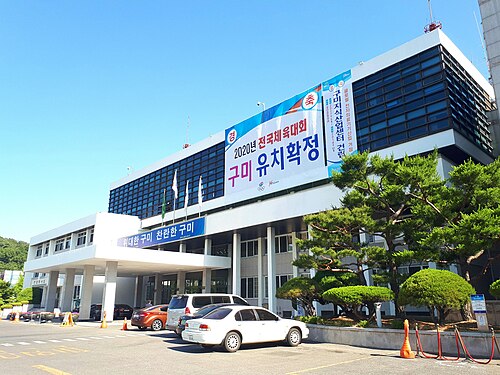
Gumi is a city located in the North Gyeongsang Province of South Korea, situated at the midpoint between the capital city of Seoul and the port city of Busan. Established in 1963, Gumi has grown significantly in both population and economic importance, emerging as a vital industrial hub. The city covers an area of approximately 1,565 square kilometers and is home to around 400,000 residents. It is characterized by its diverse economy, which is heavily reliant on electronics, machinery, and textiles. The presence of many large corporations, including Samsung and LG, has facilitated Gumi's development into a key site for manufacturing and technological innovation.
Gumi is also known for its cultural heritage and natural beauty. Landmarks such as the Gumi City Museum and various historical sites reflect the city's rich history and traditions. The region is surrounded by mountains and beautiful landscapes, making it an attractive destination for outdoor activities. The Nakdong River, which flows through the city, provides opportunities for recreation and leisure. Annual events and festivals, such as the Gumi International Music Festival, further showcase the city’s vibrant community spirit and promote local culture. Gumi’s well-developed infrastructure, including efficient transport systems and educational institutions, supports its ongoing growth, making it an appealing city for both residents and businesses alike.
Facts about Gumi
- Gumi is known as the 'Mobile City' of South Korea, being a significant hub for mobile telecommunications, with numerous companies specializing in electronics and ICT.
- The city is home to the Gumi National Industrial Complex, one of the largest industrial zones in the nation, which contributes significantly to the local and national economy.
- Gumi has a rich history dating back to the Silla Kingdom, and it was an important center for agriculture, especially in the production of rice and textiles.
- The Gumi Sports Complex, with its multipurpose stadium and various sports facilities, hosts national level sporting events, distinguishing it from other cities in the region.
- Gumi boasts unique cultural heritage sites such as the Dongnak Park and Haeinsa Temple, which reflect the city’s historical and spiritual significance.
- The city hosts the Gumi International Machinery & Equipment Exhibition, which attracts businesses and exhibitors from around the world, emphasizing its role in international trade.
- Gumi is known for its annual Gumi K-Pop Festival, celebrating the popularity of Korean pop music and drawing fans and visitors from various regions.
- The Gumi River, which runs through the city, provides beautiful scenic views and outdoor recreational opportunities, such as biking and walking trails along its banks.
- Gumi's location near the Geumosan Mountain offers residents and visitors access to hiking trails and nature, contributing to the city's appeal as a place for outdoor activities.
- The city is a major educational hub with institutions such as the Kumoh National Institute of Technology, which plays a crucial role in technological research and development.