Gummersbach, Germany
- 53,131 people
- 12 places to visit
- 51.0276, 7.5638
Places to Visit (12)
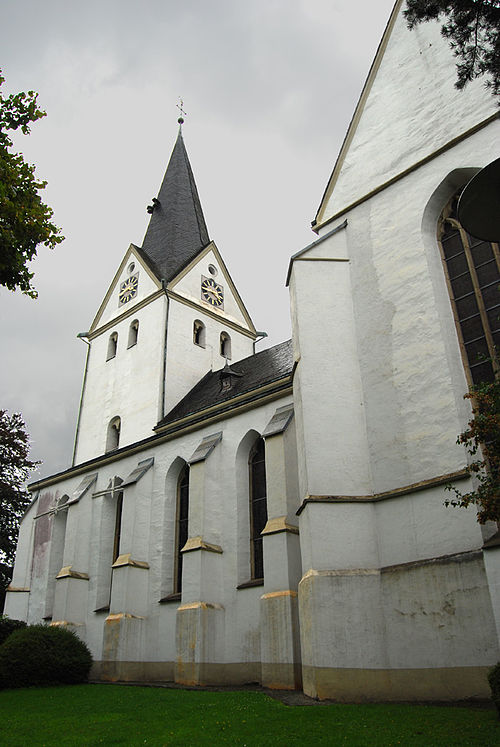
Gummersbach is a town in North Rhine-Westphalia, Germany, situated in the Oberbergischer Kreis, approximately 50 kilometers northeast of Cologne. Known for its picturesque landscapes and location in the hills of the Bergisches Land, Gummersbach serves as an important center for commerce and industry within the region. The town has a population of around 50,000 residents and features a charming blend of historical and modern architecture. Its history dates back to the Middle Ages, with the first documented mention in the year 1303. The name "Gummersbach" is derived from the local river Gummersbach, a tributary of the River Wiehl.
Gummersbach has developed as an economic hub, particularly noted for its production of machinery, textiles, and various consumer goods. The town is also home to several innovative companies and has made significant strides in sustainable development and technology. Its vibrant economic landscape is complemented by cultural attractions, including museums, galleries, and theaters. The town's cultural calendar is marked by numerous events throughout the year, such as festivals and markets that showcase local traditions and craftsmanship. In terms of education, Gummersbach offers a range of schools and institutions, providing opportunities for both vocational training and higher education.
The town is well-connected by public transport, making it easy for residents and visitors to travel to nearby cities. Gummersbach also offers ample recreational opportunities, with several parks, sports facilities, and hiking trails that capitalize on the area's natural beauty. Popular attractions include the historic town center, the Evangelische Kirche (Evangelical Church), and the nearby Lake Beyenburg, providing a serene environment for outdoor activities. With its unique combination of industrial development, rich cultural heritage, and stunning natural surroundings, Gummersbach represents a vibrant community that reflects both traditional German charm and contemporary progress.
Facts about Gummersbach
- Gummersbach is known for its historical significance in the textile industry during the 19th century, which contributed significantly to its economic development.
- The city is home to the 'Gummersbach, the City of the Handball', as it has a strong handball tradition and is the base for the successful TV Borussia Dortmund club.
- Gummersbach features the unique 'Bergisches Land' landscape, characterized by rolling hills and picturesque valleys, making it a popular destination for nature lovers.
- The town is famous for the 'Aggertalsperre', a large dam providing recreational opportunities, as well as a water supply for the surrounding regions.
- Gummersbach holds an annual 'Kunst im Stall' event, showcasing local artists and promoting art in unconventional settings like barns and stables.
- The city is home to several well-preserved timber-framed buildings, particularly in the old town, reflecting its rich architectural heritage.
- Gummersbach's location at the confluence of the rivers Agger and Beyenburg makes it historically significant for trade and transportation.
- The 'St. John the Baptist Church' in Gummersbach, dating back to the 12th century, is a notable historical landmark with beautiful stained glass and architecture.
- Gummersbach has a renowned music scene and hosts various cultural events, including concerts and festivals that appeal to local and regional audiences.
- The city prides itself on its commitment to sustainability, with numerous green spaces and initiatives aimed at promoting environmental responsibility.