Gurúè, Mozambique
- 168,971 people
- 1 places to visit
- -15.4715, 36.981
Places to Visit (1)
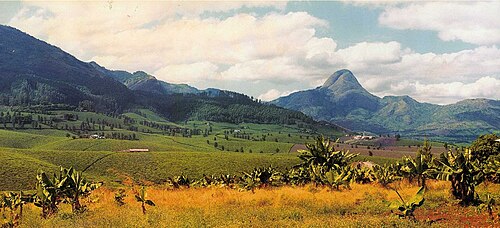
Gurúè is a city located in the central part of Mozambique, specifically in the Zambézia Province. The city lies at an elevation of approximately 1,200 meters above sea level, which contributes to its temperate climate compared to other regions in Mozambique. Established in the early 20th century during Portuguese colonial rule, Gurúè has since grown in significance as a commercial and administrative hub for the surrounding agricultural areas. The city is well-known for its rich agricultural activities, particularly in tea production, a legacy of the colonial period when tea plantations were established in the highlands. Gurúè is often referred to as the 'Tea Capital of Mozambique' due to its favorable climate and rich volcanic soils that support the cultivation of tea.
Economic activities in Gurúè are largely driven by agriculture, with many residents engaged in both subsistence farming and larger scale agricultural enterprises. In addition to tea, coffee, and rice are also significant crops, contributing to local and national economies. The local market is vibrant, with traders selling fresh produce, spices, and handicrafts. Transportation links, including a network of roads and proximity to rail connections, facilitate trade and ensure that Gurúè remains accessible to both domestic and international markets. The city's infrastructure has been improving over the years, including the development of schools, health facilities, and other essential services meant to support its growing population.
Culturally, Gurúè is characterized by a blend of traditional Mozambican customs along with influences from Portuguese colonial history. This is reflected in local festivals, cuisine, and music. The city is home to several ethnic groups, including the Sena and Ndau, contributing to a rich tapestry of cultural traditions and practices. Historically, Gurúè has faced challenges like many other cities in Mozambique—ranging from economic fluctuations to the impacts of civil conflict in the late 20th century. However, it has shown resilience and continues to evolve as a key player in the region's economic landscape. As Mozambique continues to develop, Gurúè plays a pivotal role in the agricultural sector, making it an important city in the narrative of the nation’s growth and development.
Facts about Gurúè
- Gurúè is known for its lush tea plantations, making it one of Mozambique's key tea-producing regions, distinct from other cities that focus on different agricultural products.
- The city is situated at an elevation of 1,200 meters, giving it a cooler climate compared to the lowland areas of Mozambique, which is unique among major cities.
- Gurúè is home to the 'Mina de Nambuma', an old mining site known for its historical significance in the region during the colonial era, which is not found in many other cities.
- The city has a significant local population of the Macua ethnic group, contributing to its rich cultural heritage and unique traditions that differ from other areas in Mozambique.
- Gurúè celebrates the annual 'Festa do Chá' (Tea Festival), highlighting its tea production and drawing attention to local agricultural practices, a unique event compared to other cities.
- The surrounding landscape includes the stunning Mount Binga, the highest mountain in Mozambique, offering unique hiking opportunities and natural beauty that attracts outdoor enthusiasts.
- Gurúè has a relatively high level of education and is home to several primary and secondary schools, creating a distinct academic atmosphere compared to other regions.
- The architecture in Gurúè showcases a blend of traditional and colonial influences, reflecting the city’s history and cultural diversity, which can differ markedly from urban centers like Maputo.
- The local market in Gurúè is known for its vibrant trade in agricultural products, handicrafts, and textiles, providing a unique cultural shopping experience not found in larger cities.
- Gurúè has played a vital role in the agricultural economy of Mozambique, especially with its production of coffee and tea, setting it apart from cities that are more focused on industrial development.