Guyuan, China
- 411,854 people
- 3 places to visit
- 36.0158, 106.2426
Places to Visit (3)
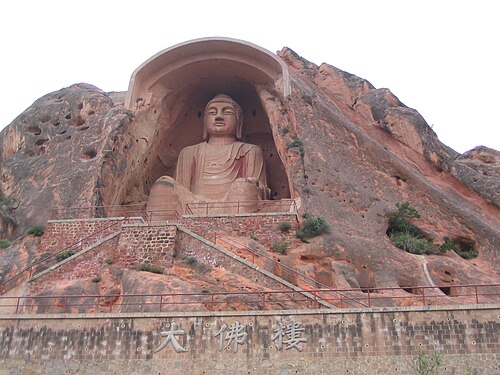
Guyuan, a city located in the Ningxia Hui Autonomous Region of China, serves as the capital of Guyuan Prefecture. With a history that dates back to the ancient Qin Dynasty, it has evolved from a strategic military hub to an important cultural and economic center in the region. The city sits at an elevation of approximately 1,100 meters and is situated on the eastern edge of the Loess Plateau, characterized by its unique terrain and climate. Guyuan has a population of around 400,000 residents, primarily comprised of Hui, Han, and other ethnic groups, reflecting the city’s rich multicultural heritage.
The government's development initiatives have effectively transformed Guyuan into a growing economic zone, with agriculture, mining, and tourism being the main sectors driving its economy. The city is particularly renowned for its production of high-quality dates, barley, and various medicinal herbs, which benefit from the fertile loess soil. Guyuan's strategic location along the Yellow River also positions it as a vital transportation hub, facilitating connections to major cities in the northwest. Furthermore, the region's natural beauty, which includes the nearby Helan Mountains and unique geological formations, contributes to its growing appeal as a tourist destination. The city is also home to several historical and cultural landmarks, including ancient temples and traditional Hui architecture, which highlight its historical significance and attract visitors interested in exploring the cultural tapestry of the region.
In recent years, Guyuan has also taken steps to improve infrastructure and enhance public services, making it more accessible and comfortable for residents and travelers alike. As urbanization progresses, the city aims to balance its economic growth with sustainable development, ensuring that its natural resources and cultural heritage are preserved for future generations. Overall, Guyuan exemplifies a city steeped in history and culture that is actively embracing modernization while holding onto its unique identity in the heart of China.
Facts about Guyuan
- Guyuan is known for its long history, dating back over 2,000 years, and was part of the ancient Northern Wei dynasty.
- The city serves as a cultural and transportation hub in Ningxia Hui Autonomous Region, showcasing a blend of Han and Hui Muslim cultures.
- It is famous for its unique geological features, including the Guyuan Yangyue Mountain, which is recognized for its stunning natural scenery.
- Guyuan is home to the Sanqing Temple, an ancient Daoist temple that attracts visitors and reflects the city's rich religious heritage.
- The Liuhe Pagoda, a historic tower in Guyuan, is known for its architectural beauty and is one of the city's iconic landmarks.
- In recent years, Guyuan has become recognized for its agricultural achievements, particularly in the production of superior-quality fruits like pears and Chinese dates.
- The city hosts the Guyuan International Folk Culture Festival, which celebrates local traditions and cultural diversity, distinguishing it from other cities in China.
- Guyuan's geographic location makes it one of the significant gateways to the Loess Plateau, providing it with unique geological and ecological significance.
- The city is notable for its modern infrastructure development combined with traditional architecture, creating a distinctive urban landscape.
- Guyuan is an important site for the study of the ancient Silk Road, emphasizing its historical significance as a trade route.