Gwangju, South Korea
- 81,780 people
- 18 places to visit
- 35.1547, 126.9156
Places to Visit (18)
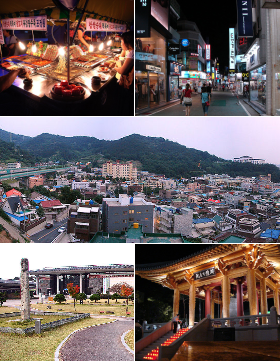
Gwangju, the sixth-largest city in South Korea, is located in the southwestern part of the country, serving as the capital of the Gwangju Metropolitan City and the Jeolla province. Established as a city in 1949, Gwangju has a rich history and is renowned for its cultural heritage and political significance. It played a pivotal role during the Gwangju Uprising in May 1980, when residents protested against the authoritarian government, culminating in a tragic crackdown that resulted in numerous casualties. This event is commemorated annually and has shaped the city’s identity as a symbol of democracy and human rights in South Korea. The city’s motto, "Gwangju, City of Light," reflects its commitment to peace and justice.
Gwangju is also an important cultural hub known for its vibrant arts scene and numerous festivals. The city is home to several major art institutions, including the Gwangju Biennale, an internationally recognized contemporary art exhibition that takes place every two years, attracting artists and art lovers from around the globe. In addition to its artistic endeavors, Gwangju hosts various cultural events such as the Gwangju Kimchi Festival and the Biennale’s opening celebrations, showcasing its culinary and cultural diversity. The city features a mix of modern architecture and traditional Korean influences, with spaces like the Asia Culture Center and the historic Yangdong Market offering insight into both its contemporary and historical sides. With its rich history, strong commitment to social justice, and vibrant culture, Gwangju stands as a significant city in South Korea’s national narrative and continues to thrive as a center of art, civic engagement, and educational advancements.
Facts about Gwangju
- Gwangju is known for the Gwangju Uprising of 1980, a significant pro-democracy movement that was met with violent repression, leading to a transformational period in South Korea's history.
- The city is home to the May 18th National Cemetery, which honors the victims of the Gwangju Uprising, and serves as a memorial site that symbolizes the fight for democracy in South Korea.
- Gwangju has a vibrant art scene and hosts the Gwangju Biennale, one of Asia's most prestigious contemporary art exhibitions, showcasing both international and local artists.
- The city is often referred to as the 'City of Light' due to its dedication to human rights and social justice, reflecting the spirit of its residents who stood up against tyranny.
- Gwangju is renowned for its culinary specialty, 'Gwangju-style Tteokgalbi' (grilled rice cake patties), which is made with marinated beef and has a unique flavor profile, distinguishing it from other regional dishes.
- The Gwangju National Museum contains treasures from the region's rich history, including artifacts from the Baekje and Joseon dynasties, highlighting the city's cultural significance.
- Gwangju is strategically located near the historic city of Jeonju and the scenic Jirisan National Park, making it a hub for tourism combining urban culture and natural beauty.
- The city has a strong tradition of sports and hosts the International Gwangju Aquatics Center, built for the 2019 FINA World Championships, contributing to its reputation in international aquatic sports.
- Gwangju is known for its commitment to education, featuring one of the top universities in South Korea, Chonnam National University, which plays a key role in research and local development.
- The city is recognized for its progressive values and was the first city in Korea to declare itself a 'Human Rights City', emphasizing its commitment to human rights education and advocacy.