Gweru, Zimbabwe
- 158,200 people
- 6 places to visit
- -19.4657, 29.8124
Places to Visit (6)
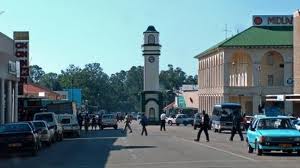
Gweru is a city located in the Midlands Province of Zimbabwe, situated approximately 260 kilometers southwest of Harare, the capital city. It serves as an important administrative and commercial center and is one of the oldest cities in the country, originally established during the late 19th century. Gweru played a significant role during the colonial era, particularly during the Anglo-Zulu War and the First and Second Chimurenga uprisings. The city is known for its strategic location along the railway line that connects Harare and Bulawayo, which has contributed to its growth as a transport hub.
The city's economy is diverse, with agriculture, mining, and manufacturing forming the backbone of its economic activities. Gweru is located in a region rich in mineral resources, including gold, chrome, and coal, which has attracted various mining operations. Agriculture is also vital to the area, with surrounding lands producing crops such as maize, tobacco, and soybeans. In recent years, Gweru has made efforts to revitalize its economy by promoting industrial development and creating a conducive environment for investment. The Gweru Urban area is home to several educational institutions, including the Midlands State University, which offers a range of academic programs and contributes to the educational landscape of Zimbabwe.
Culturally, Gweru is a melting pot of various ethnic groups, primarily consisting of Shona and Ndebele communities. The city celebrates its cultural heritage through various festivals and events that highlight traditional music, dance, and artistry. The Gweru Arts Festival, for instance, showcases local talent and promotes the arts within the community. Additionally, Gweru features notable landmarks, including the Ford Museum, which commemorates the city's rich history and its role in Zimbabwe's liberation struggle. With its blend of historical significance, economic potential, and cultural vibrancy, Gweru remains an integral part of Zimbabwe’s development narrative.
Facts about Gweru
- Gweru is one of Zimbabwe's oldest cities, originally established in the late 19th century as a railway town.
- It is home to the famous Gweru River, which flows through the city and provides a vital water source for the region.
- Gweru is known for the Battle of Gweru, a significant event during the Second Chimurenga (Zimbabwe War of Liberation) that took place in the late 1970s.
- The city hosts the renowned Antelope Park, a conservation area where visitors can interact with wildlife and participate in lion rehabilitation programs.
- Gweru is the administrative capital of the Midlands Province, serving as a central hub for trade and governance in the region.
- The city has a vibrant arts and culture scene, with the Gweru Arts and Culture Festival celebrating local talent and creativity every year.
- Gweru's military history is highlighted by the presence of the Zimbabwe Military Academy, which trains officers for the Zimbabwe National Army.
- It is also known for its rich agricultural surroundings, contributing to the country's economy through farming and livestock.
- The Kwekwe-Gweru area is a notable center for gold mining, playing a crucial role in Zimbabwe's mining industry.
- Gweru is host to the historic Midlands State University, which offers diverse higher education opportunities and contributes to the academic landscape in Zimbabwe.